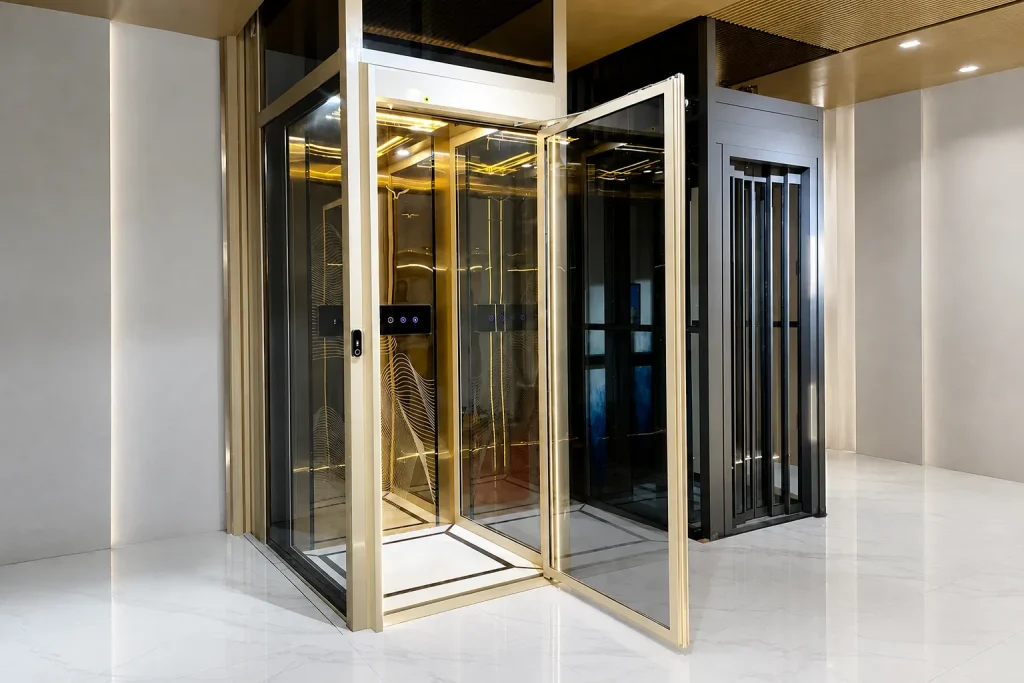
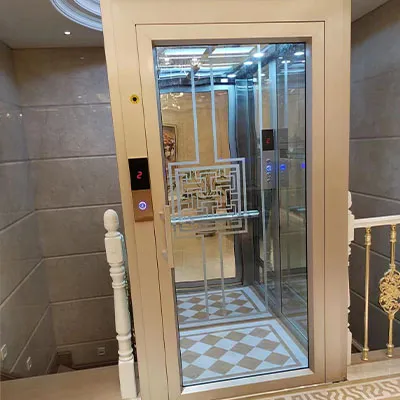
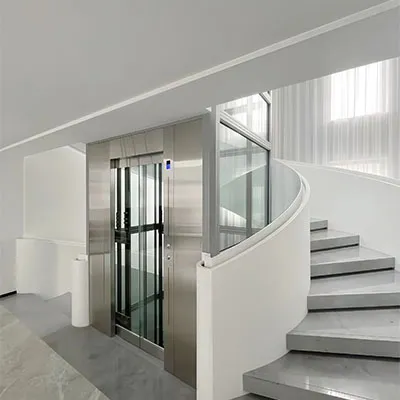
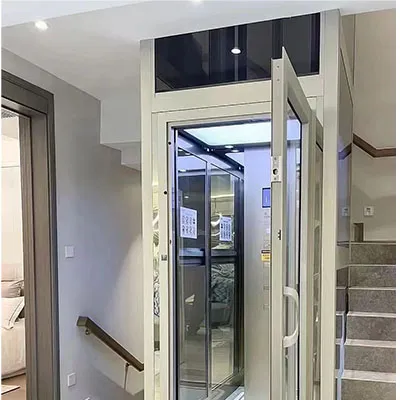
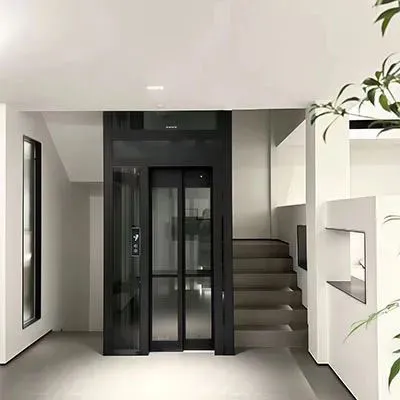
В лифте для виллы с гидравлическим приводом используются высококлассные цилиндры, насосы и клапаны управления. Его высокоточный пропорциональный клапан обеспечивает плавное и стабильное бесступенчатое регулирование скорости
Тяговый домашний лифт: Отсутствие машинного отделения, экономия средств. Используется противовес/козловой тип, подходит к типам дверей дома. Привод VVVF для плавного хода
A home or villa elevator is a compact passenger lift for private residences. JDRK builds two main types, hydraulic and traction, any figure needs a quote based on your shaft size, pit depth and cabin finish. Start by choosing the type.
How much does a home villa elevator cost?
The variables that shape a quote are drive type, shaft and cabin size, pit depth and top-floor clearance, power supply, and cabin finish (glass, door trims, button panels, call boxes). To get a usable estimate:
Measure shaft width and depth in millimetres.
Measure clearance above the highest landing.
Check whether a pit can be dug, and how deep.
Confirm your power supply (220V single-phase household power or another).
Decide between a plain cabin and a glass or panoramic one.
Send all of this through the quote form or WhatsApp (+86 18453808217).
Hydraulic or traction: which suits a villa?
Neither is the “best home villa elevator” in general. The right one depends on your shaft, your power supply and your cabin taste.
Compared with common steel-wire-rope traction lifts, JDRK’s traction model uses a polyurethane belt that needs no lubrication. The company claims 2–3 times the service life of wire rope; no independent test data accompanies that claim. The hydraulic model drops the counterweight entirely, which JDRK says lifts shaft space utilization to about 70%.
If the shaft is tight and you want the most usable floor area, start with hydraulic. If household single-phase power is your constraint, or you want a round glass cabin, start with traction.
Specs to check before requesting a quote Hydraulic Domestic Elevator
Imported high-precision proportional valve with stepless speed regulation
Installable where top-floor clearance exceeds roughly 2 m
Traction drive draws about 1.1 kW of the 1.5 kW total
Built-in UPS with ARD auto-leveling during power outages
Lubrication-free polyurethane belt in place of steel wire rope
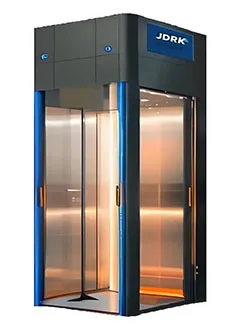
Cabin options include panoramic round glass and a minimalist style
Two misreadings of “no machine room, no pit”
“Machine-room-less” does not mean “no headroom.” The hydraulic model still needs top-floor clearance of about 2 m or more, and a minimum top-level height of 2600 mm. Measure before you fall for the brochure photo.
“Zero-pit” and “shallow-pit” are options, not defaults. The stated minimum pit depth for the hydraulic model is 150 mm, so whether your floor slab can accommodate that is a question for your builder. The minimum customized size of about 1100 × 1100 mm should also be confirmed in writing, since catalog text is not a drawing.
What narrow shafts call for
JDRK’s Lift Platform line targets tight spaces. Minimum shaft size is about 900 × 900 mm, rated load runs 250–320 kg depending on configuration, and 220V single-phase power is optional for markets where industrial power is hard to obtain. It supports shallow-pit or pitless installation and is aimed at five space types: stairwells, corners, light wells, external steel-structure towers and under-stair niches. JDRK also describes a compact solution with a shaft area of 1 m² or less.
Which certificates can you ask for?
JDRK‘s site displays SGS, SGC, SGRZ, CNCA, CNAS and ISO 9001 marks, and product pages mention CE and ASME. The company reports 10,000+ installations worldwide, also self-reported .
Know what each mark means before you rely on it. ISO 9001 certifies a quality management system, not that a particular lift meets a lift safety code. CE is the EU conformity marking, and ASME publishes elevator and lift equipment standards. Ask for certificate numbers and check them with the issuing body. Your local authority or installer decides which code applies to your building.
FAQ
Does a home elevator run on household power?
JDRK’s traction villa elevator is built for standard 220V single-phase supply, about 1.5 kW in total. The Lift Platform line offers an optional 220V single-phase setup. Power requirements for the hydraulic model are not published, so ask.
What happens in a power outage?
The traction model has a built-in UPS with ARD auto-leveling. The hydraulic model lists an ARD among its safety features.
Can I customize the cabin?
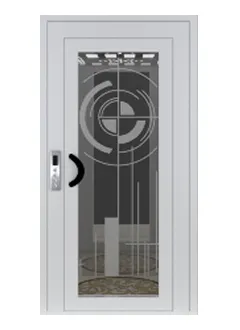
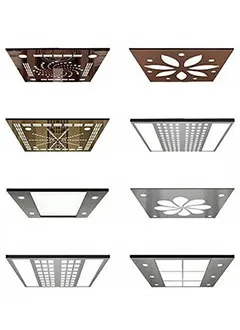
Yes. The Optional Series covers cabin decoration, door trims, button panels and call boxes. No separate technical specifications are published for these.
Сколько времени занимает установка?
No timeline is published. Request one in writing with your quote.
Do you work with dealers and installers?
JDRK says it targets overseas B2B dealers, installers and contractors, with OEM/ODM support and engineering support covering drawings, configuration and technical assistance.

 Персонализация заказаТип тяги Вилла ЛифтТяговый домашний лифт: Отсутствие машинного отделения, экономия средств. Используется противовес/козловой тип, подходит к типам дверей дома. Привод VVVF для плавного хода
 Russian
 English
 French
 German
 Spanish
 Portuguese
 Dutch
 Arabic
 Czech
 Japanese
 Korean