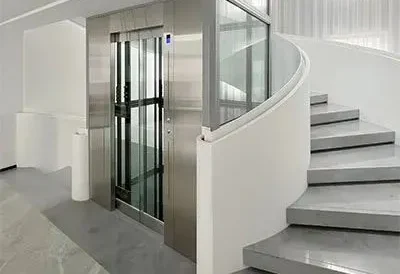
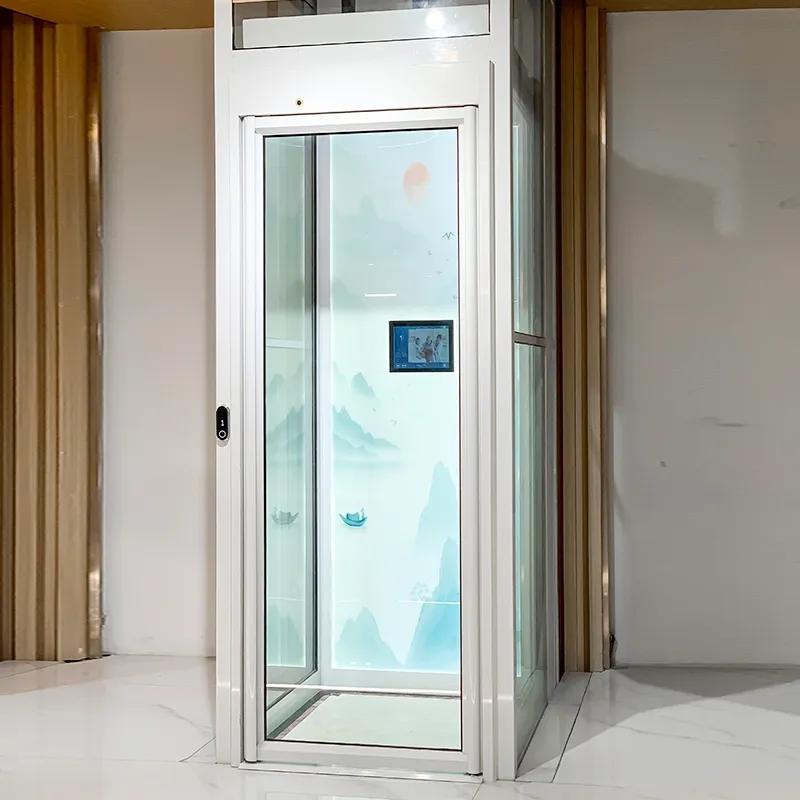
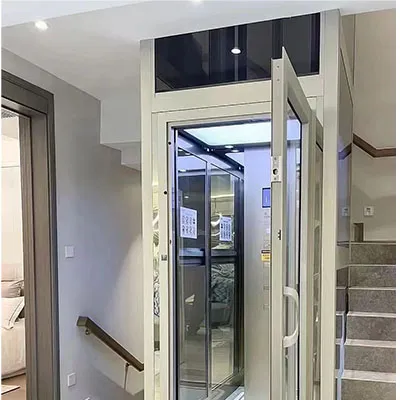
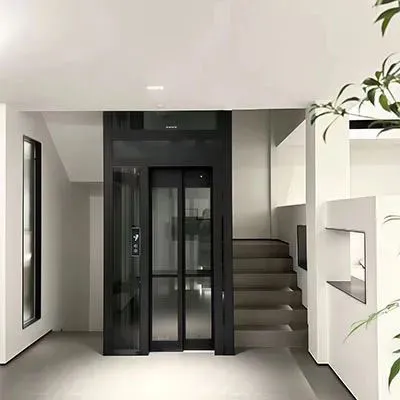
Een hydraulisch aangedreven woonhuislift voor villa's maakt gebruik van hoogwaardige cilinders, pompen en regelkleppen. De zeer nauwkeurige proportionele klep heeft een soepele stabiele traploze snelheidsregeling.
Traction Elevator: The Best Type of Elevator Compared to Hydraulic?
Choosing the wrong elevator can raise building costs, waste shaft space, and create long-term maintenance headaches. That becomes a bigger problem in villas and residential projects where comfort, layout, and energy use all matter. A well-matched traction elevator solves this with smoother travel, smart design flexibility, and efficient daily operation.
A traction elevator is often the best type of elevator for modern residential and many commercial projects because it uses a motor, counterweight, and rope or belt system for efficient lifting. Compared to hydraulic, it often offers better speed, smoother performance, and more flexible machine room-less design options, especially in mid-rise and home-elevator applications.
What Is a Traction Elevator and Why Is It Such a Common Type of Elevator?
A tractielift is a type of lift that uses an electric motor, a sheave, and suspension members such as steel ropes or belts to lift and lower the car. The core idea is simple: the motor turns the sheave, the suspension member grips it, and the elevator car and the counterweight move in opposite directions to keep the system balanced. That balance is one reason traction elevators are the most common choice in many applications.
This common type of elevator is used because it performs well in homes, hotels, offices, and many other buildings. In premium residences, it is especially attractive because it can combine smooth rides, elegant finishes, and a compact footprint.
When people compare the main types of elevators, traction almost always appears near the top of the list because it supports both performance and design freedom. That is why it remains such a strong choice in the home-villa segment.
How Do Traction Elevators Work?
To understand how traction elevators work, imagine a carefully balanced lifting system. The motor drives the sheave, the rope or cable loops over it, and the counterweight offsets a large part of the load. This reduces the force needed to move the elevator car and improves both performance and energy efficiency.
In most systems, the traction machine sits at the top of the elevator path or in a closely integrated structure. The elevator control system manages start, stop, leveling, and door operation. When the motor turns one way, it helps lift the elevator. When it turns the other way, it helps lower the elevator. The elevator counterweight reduces the amount of power the system needs during travel.
Simple Workflow
The electric motor starts
The sheave rotates
The cable or belt moves
The elevator car rises or descends
The counterweight balances the load
The control system manages speed and leveling
Because traction elevators rely on this balanced lifting method, traction elevators typically offer strong ride quality and consistent performance in daily residential use.
What Are the Main Types of Elevators: Traction or Hydraulic?
The main types most buyers compare are traction or hydraulic. A hydraulic elevator uses cylinders, pumps, and valves to raise the car, while a traction system uses a motor, counterweight, and suspension members.
The real difference is not just technical. It affects project planning, initial cost, long-term energy consumption, and the way the elevator fits the building. In low-rise applications, hydraulic systems may still make sense. But in many modern villa and mid-rise projects, traction systems are preferred because they are smoother and quieter, more efficient in daily use, and more adaptable to premium architectural design.
So when buyers ask about the different types of elevators, my answer is simple: understand the building first, then match the system. For many private homes and mid-rise buildings, traction often wins.
What Components Make Up a Traction Elevator System?
A traction elevator system includes several core parts: the traction machine, elevator motor, sheave, rope or cable, guide rails, control system, car, doors, and the counterweight. Together, these parts create a balanced lifting structure inside the elevator hoistway.
The elevator consists of more than just visible cabin parts. The hidden engineering matters just as much. For example, the weight of the elevator car and the weight of the elevator influence the size of the motor, the balancing value of the counterweight, and the overall system geometry. This is why good traction products feel smooth: the system is carefully matched, not randomly assembled.
In premium residential lifts, buyers also care about the visible side of the system:
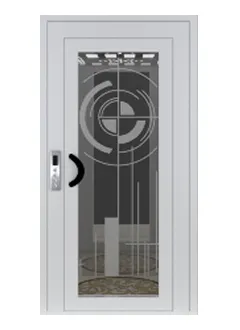
door type
panel style
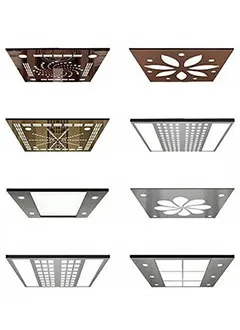
lighting
floor finish
shaft material
ride smoothness
That is one reason traction products are so attractive in villas. They support both engineering performance and aesthetic control.
What Are the Different Types of Traction Elevators for Homes?
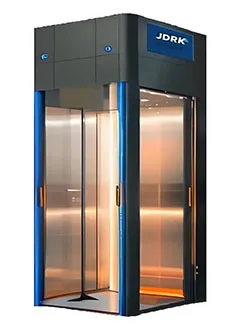
The different types of traction systems in Jiade’s product center show how broad the category can be. The traction category page links to platform villa elevators, gantry-frame traction products, backpack side-mounted products, and round sightseeing elevators. That means the traction family includes more than one structural answer.
In practical terms, the different types of traction elevators for homes include:
Each format solves a different home-layout challenge. A gantry style focuses on dual-side balance. A backpack style helps where one-sided compact installation is useful. A round sightseeing model focuses on appearance and panoramic value.
That is why traction elevators offer more flexibility than many buyers expect. The category is wide enough to match very different home projects.
Where Are Traction Elevators Typically Used?
Traction elevators are typically associated with commercial towers in many people’s minds, but that view is now outdated. Jiade uses traction not only for larger buildings but also for villas, duplex homes, and high-end residential properties.
This broadens the application range of traction systems. They are useful in:
luxury villas
duplex homes
premium townhouses
mid-rise buildings
boutique residential developments
selected freight elevators and mixed-use projects with proper engineering
Historically, traction systems were strongly associated with high-rise buildings, and that is still true. But modern residential products show that traction elevators also work extremely well in home-centered environments.
What Performance and Speed Factors Matter in a Traction Elevator?
Performance is not only about maximum speed. Buyers also care about leveling accuracy, cabin stability, door response, and ride feel. In larger applications, traction systems may be rated in feet per minute, especially in North American specifications, but in home projects the more important question is whether the lift feels stable and refined every day.
A good traction system uses the right traction machine, balanced counterweight, and properly matched control system to reduce vibration and improve travel quality.
In other words, the goal is not only to move the elevator. It is to make every trip feel calm, safe, and comfortable. That is why modern traction systems are so effective in residential use.
Do Traction Elevators Save Energy and Construction Costs?
Yes, and this is one of their strongest selling points. The use of a counterweight reduces the power needed to lift and lower the car, which improves energy efficiency and lowers daily energy consumption. Jiade also links traction products to no traditional machine room, which can reduce structural complexity and support real construction cost savings.
That does not mean traction always has the lowest initial cost in every case. But in many premium residential projects, the combination of efficient operation, compact structure, and strong market appeal makes traction more attractive over the full lifecycle of the project. Installation planning, installation cost, and maintenance expectations should always be reviewed together, not separately.
So yes, traction systems can be a strong financial choice, especially when long-term value matters more than just the first quotation.
Why Choose Jiade for Traction Elevator Equipment?
Jiade presents itself as a professional manufacturer of home and villa elevators, and its traction pages show a clear product strategy: home-focused traction lifts, backpack and gantry styles, VVVF control, steel or glass shaft options, smart safety features, and customization for premium residential environments.
For B2B buyers, that matters because traction products are rarely bought as anonymous equipment. They are chosen as part of a project solution. A factory partner should be able to help with product selection, shaft planning, style matching, and after-sales support. Jiade’s site also emphasizes certifications, customization, and long-term service support, which fits the needs of overseas developers, distributors, and contractors.
That is why traction elevator equipment from a home-focused manufacturer can be more valuable than a generic, one-size-fits-all product.
FAQs
What is a traction elevator?
A traction elevator is a lift that uses an electric motor, sheave, and rope or belt system with a counterweight to raise and lower the car. It is one of the most common elevator types used in homes and larger buildings.
Is traction better than hydraulic?
Often yes, especially compared to hydraulic in premium homes and mid-rise applications. Traction usually offers better efficiency, smoother travel, and more flexible machine room-less design options.
What is the difference between geared and gearless traction?
A geared traction elevator uses a gearbox between the motor and sheave. A gearless traction elevator removes that gearbox, which often improves efficiency and ride quality. Jiade highlights gearless systems in its traction villa products.
Do traction elevators need a machine room?
Not always. Many modern MRL or machine room less systems reduce or eliminate the need for a separate traditional machine room, especially in residential applications. Jiade directly promotes this as a traction-villa advantage.
Are traction elevators suitable for homes?
Yes. Jiade’s traction line is specifically marketed for villas and residential buildings, including gantry, backpack, platform, and panoramic traction types.
Are traction elevators only for high-rise buildings?
No. While they are widely used in high-rise buildings, modern traction products are also very suitable for villas, duplex homes, and mid-rise buildings.

 Bestelling personaliserenTractie Type Villa LiftTractiehuislift: Geen machinekamer, bespaart kosten. Gebruikt contragewicht/portaalstijl, past op huisdeurtypen. VVVF-aandrijving voor soepele rit
 Dutch
 English
 French
 German
 Russian
 Spanish
 Portuguese
 Arabic
 Czech
 Japanese
 Korean