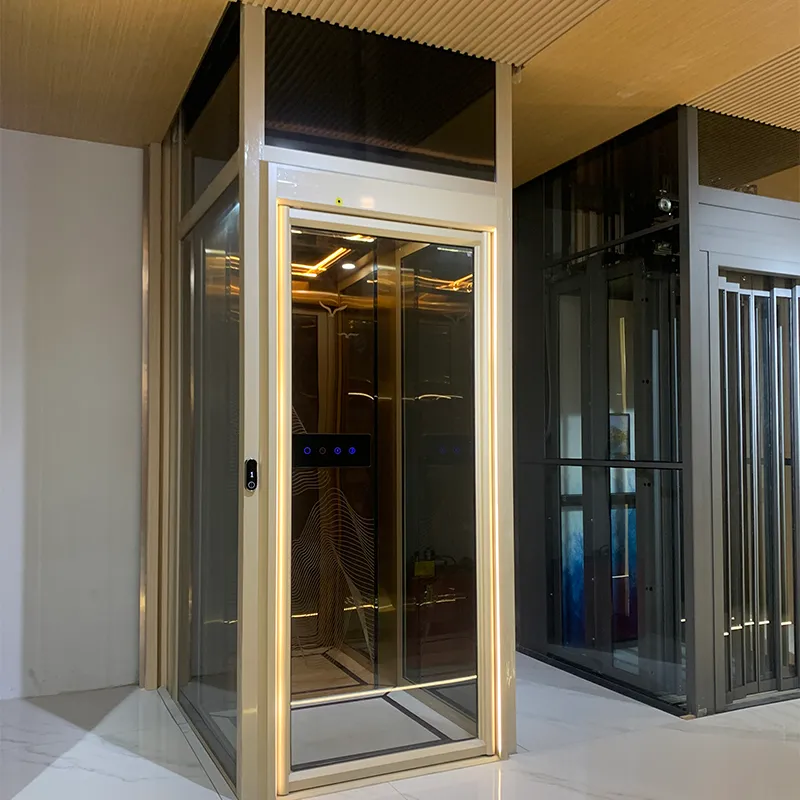
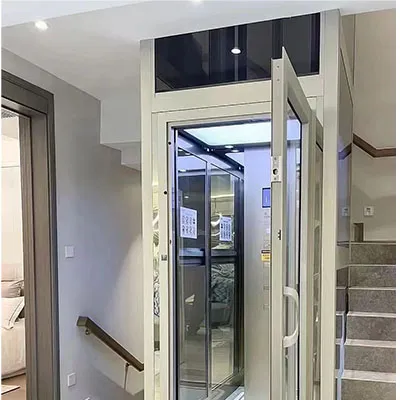
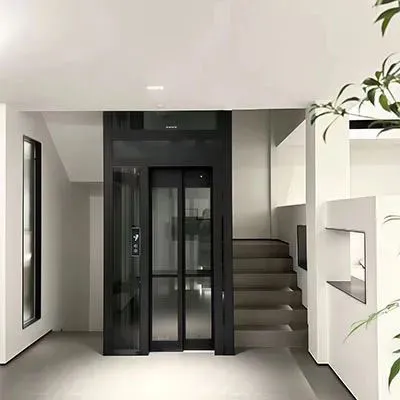
Een hydraulisch aangedreven woonhuislift voor villa's maakt gebruik van hoogwaardige cilinders, pompen en regelkleppen. De zeer nauwkeurige proportionele klep heeft een soepele stabiele traploze snelheidsregeling.
Hydraulic Home Villa Elevator | Safe, Compact & Custom Residential Lift Solutions
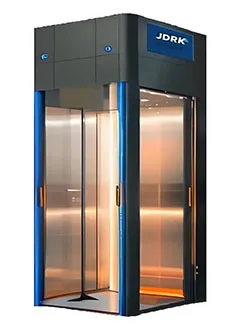
Finding a safe and quiet home elevator for modern villas can be challenging. Traditional lifts often require a large machine room or complex installation. The Hydraulic Home Villa Elevator provides a compact, efficient, and reliable solution for residential home lift needs.
A hydraulic home villa elevator is a residential lift powered by a piston-driven hydraulic system. It offers smooth, quiet vertical travel for multi-floor villas, requires minimal space, and ensures safe, comfortable home transportation. Optional customization allows integration into both indoor and outdoor modern villas.
What Is a Hydraulic Home Villa Elevator?
De Hydraulische Home Villa Lift is a residential lift designed to provide safe and efficient vertical transportation in multi-floor homes. It uses hydraulic fluid and a piston mechanism to lift the elevator car, minimizing vibration and noise.
Key Features:
Compact footprint with small hydraulic design
Smooth operation ideal for modern villas
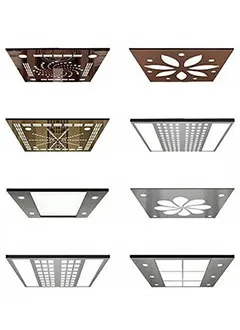
Optional customizable cabin finishes
Safe and comfortable home elevator lifts for seniors and families
How Does the Hydraulic System Work in Home Elevators?
Hydraulic elevators operate via pistons filled with hydraulic fluid, which push the elevator car smoothly between floors. The system includes:
A hydraulic pump and valve controlling the piston
Counterweight or fewer moving parts for efficiency
Quiet operation and precise passenger lift control
Optional integration with home security and lighting
This ensures a modern villa elevator that fits both luxury and functional needs.
What Are Maintenance Requirements?
Routine maintenance keeps hydraulic home elevators safe and reliable:
Check hydraulic fluid levels and piston condition
Inspect cables, counterweights, and elevator car alignment
Test automatic doors and safety features
Keep spare parts accessible for quick repairs
Tip: Regular servicing every 6–12 months maximizes safety and performance.
FAQs
What is the difference between hydraulic and traction home elevators?
Hydraulic elevators use a piston and hydraulic fluid, providing smooth and quiet operation, while traction elevators use cables and motors, often requiring larger machine rooms.
Can hydraulic elevators be installed in existing villas?
Yes. Many small hydraulic lifts are machine-room-less and suitable for retrofits without major construction.
Are hydraulic home lifts safe for seniors?
Yes. Safety features like automatic doors, smooth acceleration, and emergency valves make them ideal for senior use.
What customization options are available?
Cabin finishes, capacity, shaft size, control system, and hydraulic system type can be customized to suit your villa.
How often should maintenance be performed?
Routine inspection every 6–12 months is recommended to check piston, valves, hydraulic oil, and control systems.

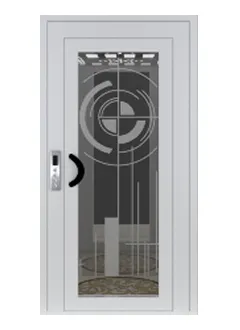
 Bestelling personaliserenTractie Type Villa LiftTractiehuislift: Geen machinekamer, bespaart kosten. Gebruikt contragewicht/portaalstijl, past op huisdeurtypen. VVVF-aandrijving voor soepele rit
 Dutch
 English
 French
 German
 Russian
 Spanish
 Portuguese
 Arabic
 Czech
 Japanese
 Korean