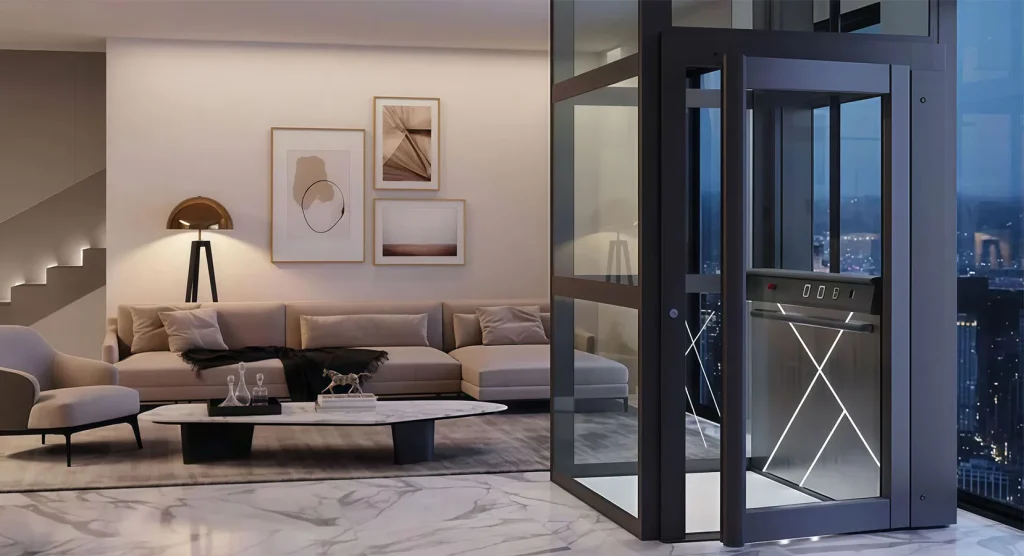
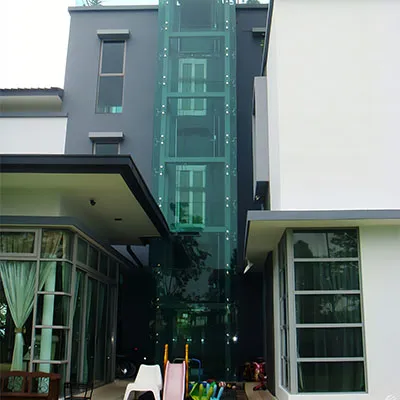
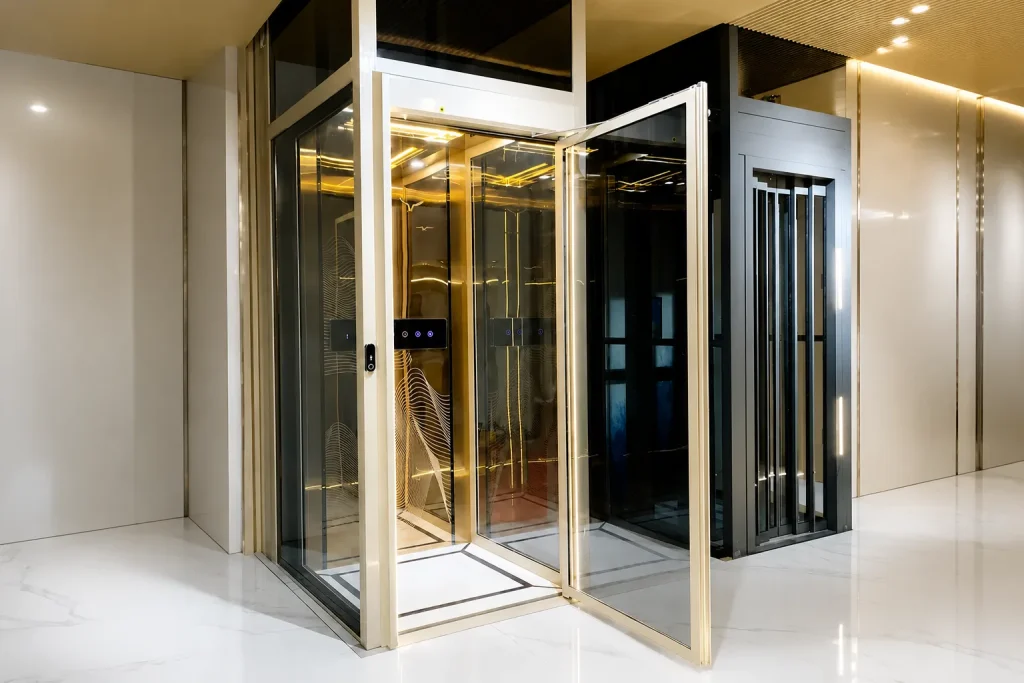
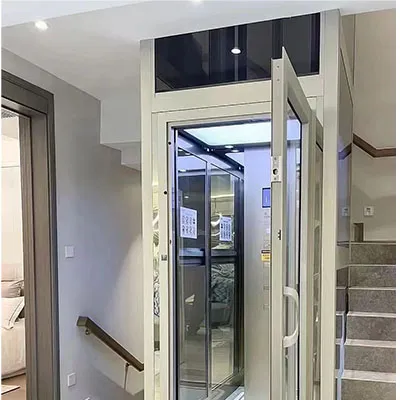
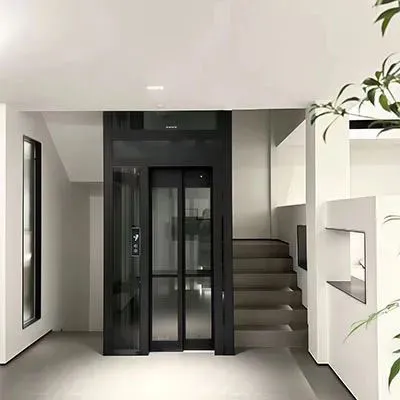
A hydraulic-driven residential elevator for villa uses high-end cylinders, pumps, and control valves. Its high-precision proportional valve would have smooth stable stepless speed regulation
Traction Elevator vs. Hydraulic Elevator: Which Is Best for Your Home or Villa?
Choosing a home lift can feel simple until shaft space, safety needs, and service costs clash. A poor choice can force costly building changes. This guide explains the main drive options and the questions that help you plan a reliable lift for your residential project.
A traction elevator moves a cabin using a powered wheel, suspension ropes or belts, and a counterweight. A hydraulic elevator lifts a cabin with a fluid-powered cylinder. The better choice depends on available space, travel height, load, local rules, and service support. Compare approved drawings and complete project costs before choosing a system for your home or villa.
What Is a Traction Elevator, and Where Does It Fit?
A traction elevator uses friction between its suspension members and a driven wheel to move the cabin. The elevator car is the moving assembly; the elevator cab is the enclosed space passengers occupy. These terms often overlap in sales material, but the distinction helps when reviewing drawings. A balancing assembly travels in the opposite direction. Together, these parts let the drive move passengers without lifting the full loaded cabin weight on every trip.
This is a common type of elevator across many building markets, including residential projects and high-rise buildings. However, a private villa has different needs from a commercial elevator or freight elevators. Your project may call for quiet movement, a small footprint, and finishes that match the home. Capacity, speed, and door arrangements should follow the actual use, rather than a specification copied from a large public building.
At Jiade (Shandong) Elevator Co., Ltd., we focus on high-end home and villa products. Our role is to help professional buyers turn a design brief into a suitable specification. This guide compares different types of elevators through that residential lens. Architects, distributors, and contractors can use it to ask clearer questions before requesting a quotation or approving construction drawings.
How Does a Traction Elevator System Work?
An electric motor turns a drive sheave, the grooved wheel that grips the suspension members. As it rotates, the cabin moves one way and the balancing assembly moves the other. Traction elevators use controlled friction, rather than winding the suspension onto a storage drum. The controller manages travel and stopping, while the brake holds the drive when required. Otis explains the basic lifting principles of both main drive options.
People often describe this as a system of ropes and pulleys. That is a useful starting point, but it leaves out the controller, brake, guides, doors, and safety devices. A system of steel ropes is one suspension option; approved coated belts are another. Product descriptions may call the ropes elevator cables. The elevator suspension must match the machine, load, layout, and approved design. Rope and belt arrangements should never be treated as freely interchangeable parts.
The elevator counterweight helps balance the weight of the moving cabin and a specified share of its rated load. It does not equal every possible passenger load. The relationship between the elevator car and counterweight changes as passengers enter or leave. This reduces the load the drive must move and can support energy efficiency. For buyers comparing ropes and a counterweight system, the useful question is how the complete assembly fits the building and supports reliable service.
Main component
Plain-language function
What a buyer should confirm
Traction machine
Creates controlled movement
Rated duty, supplier, and service access
Elevator drive sheave
Transfers movement through friction
Compatibility with suspension members
Balancing assembly
Offsets part of the moving load
Required space and guided travel
Controller and brake
Manage movement and holding
Operating logic and safety functions
What Are the Types of Traction Elevators: Geared and Gearless?
The main types of traction elevators are geared and gearless traction elevators. A geared traction elevator uses a gearbox between the drive and its driven wheel. Geared elevators have served many buildings, and existing installations may still provide dependable service. Their condition, parts support, and maintenance history matter more than age alone. For a new residential project, ask why the proposed drive suits the available space and expected use.
A gearless traction elevator drives the wheel without that reduction gearbox. Gearless elevators often use a permanent-magnet synchronous motor in compact residential designs. Jiade’s gantry-frame home lift product page describes this drive approach and suspension options. That establishes an available product direction, rather than a guarantee that every model has the same equipment. Otis’s safety overview also describes a direct-drive machine and its brake.
When comparing geared and gearless options, review rated performance, cabin noise, service access, and replacement parts. Gearless traction may support a compact layout, but the absence of a gear does not remove all maintenance tasks. Guides, doors, controls, and suspension members still need attention. Ask for written operating and maintenance requirements so your installation partner can assess the proposed equipment before purchase.
Hydraulic vs. Traction Elevator: Which Suits a Villa?
A hydraulic elevator uses a pump to move fluid into a cylinder and raise the cabin. A valve controls fluid return during descent. In a typical arrangement, gravity helps lower the elevator. Hydraulic systems usually avoid the balancing assembly used by traction systems, which changes how equipment fits around the cabin. Cylinder location, power-unit space, and pipe routing still require careful planning.
A traction elevator may suit a compact direct-drive layout and a buyer focused on efficient movement. A cylinder-based design may suit another layout or installation brief. Compare the actual models rather than broad labels. Noise, speed, power demand, and ride quality depend on the equipment and its setup. We recommend reviewing these details against your building drawings before deciding which elevator type to specify.
Decision point
Traction approach
Cylinder-based approach
Main lifting method
Friction-driven suspension
Pressurized fluid moves a piston
Space planning
Includes guided balancing equipment
Includes cylinder and power-unit arrangements
Service focus
Suspension, brake, drive, and doors
Fluid circuit, seals, valves, and doors
Power comparison
Assess loaded operation and standby use
Assess lifting demand and standby use
Best basis for selection
Approved project-specific layout
Approved project-specific layout
Does an MRL Elevator Need a Machine Room?
Machine room-less means the design does not need a separate equipment room of the traditional kind. It does not mean the lift needs no structural space. Drive equipment and controls still need safe positions, working clearances, and maintenance access. KONE describes this arrangement as placing machinery within the hoistway instead of a separate room above or below it.
For MRL elevators, ask where the drive, control cabinet, disconnect, and rescue access will sit. An elevator machine room may disappear from the architectural plan, but its functions still need accommodation. Check how technicians reach each service point. A clean interior design should not hide essential access behind permanent finishes or leave emergency procedures dependent on an inaccessible space.
A traction elevator layout must also account for the elevator shaft, pit, and overhead clearance. Do not assume every home model is pitless or accepts very low headroom. Product families can differ. Jiade offers residential configurations, but your supplier should confirm the exact arrangement in a project drawing. Coordinate these dimensions early, especially when adding a lift to an existing house where structural changes can become expensive.
Which Dimensions and Specifications Should Your Elevator Design Include?
Start with clear, finished measurements rather than rough wall-to-wall estimates. The cabin size is not the same as the required hoistway size. Door operation, guide placement, and equipment clearances all affect usable space. A side-mounted arrangement can differ from a layout with guides on both sides. Your building design should therefore use the selected product’s drawing rather than a general online dimension chart.
Height also needs clear labels. Travel is the distance between the lowest and highest served landings. Overhead is the space above the top landing. Cabin height describes the passenger enclosure. These measurements answer different questions and cannot replace one another. Review the weight of the elevator car, rated passenger load, structural reactions, and power requirements with the responsible engineering team.
Use the following checklist when comparing traction elevator specifications. It turns a broad enquiry into a useful technical brief and helps prevent missing items in competing offers. For a wheelchair-accessible project, confirm the relevant local access requirements and actual mobility-device needs. Do not assume that a cabin marketed as suitable for a villa automatically meets those requirements.
Specification
Information to provide or request
Stops and travel
Landing count, floor levels, and total travel
Available space
Finished clear width and depth at every level
Pit and overhead
Measured available space and required clearances
Cabin and doors
Usable dimensions, opening width, and entry directions
Rated load
Intended passengers and any mobility equipment
Electrical supply
Voltage, phase, frequency, and local connection rules
Structure
Support locations and loads for engineering review
Interior finish
Glass, wall panels, flooring, lighting, and controls
What Makes Traction Elevator Installation Safe and Reliable?
Installing a traction elevatorrequires qualified planning, assembly, inspection, and commissioning. Safety depends on the complete elevator system, including door locks, movement controls, brakes, and model-specific protective devices. A spring-applied brake can engage when electrical release power disappears, but a brake alone does not define the whole protection system. The approved configuration must identify all required features and how technicians test them.
Standards depend on jurisdiction and product classification. In North America, ASME’s elevator and escalator standards resources provide a starting point for understanding the relevant standards framework. A platform lift and a private residential lift may follow different requirements. An elevator professional and the local authority should establish what applies. A general factory certificate does not, by itself, prove that a specific installation meets local approval rules.
Ask for commissioning records, operating instructions, rescue procedures, and a maintenance plan. Jiade’s product descriptions include automatic rescue features on certain configurations; confirm the supplied version and its limitations. A rescue device is not permission for an untrained person to service equipment. Your local partner also needs access to replacement parts and technical documentation so safe operation continues after handover.
Before accepting the installation, confirm:
Approved drawings match the delivered configuration.
Door protection and emergency functions have been tested.
Required inspection and handover records are complete.
Owners know whom to contact for faults and assistance.
A qualified maintenance provider has accepted the service plan.
What Affects Cost, Energy Efficiency, and Modernization?
The initial cost includes more than the factory unit. A complete budget also covers freight, import charges, site works, wiring, local installation, inspection, and finishes. The installation cost can change sharply when the building needs structural alterations. Compare quotes with the same load, travel, door arrangement, and scope. A low equipment price can lose its appeal if essential controls or local work appear later as extras.
Energy efficiency deserves a measured comparison. Request stated test conditions, running demand, and standby power instead of accepting a percentage without context. The counterweight system can reduce lifting demand, while lighting and electronics still consume power between trips. Home usage may be low, so standby settings can matter to total consumption. Actual annual use depends on trip frequency, loading, travel, and the chosen equipment; do not borrow savings figures from busy public buildings.
Plan for elevator modernization before parts become difficult to source. Ask whether future changes to the controller, doors, or elevator motor require wider replacement. This is especially useful for distributors building a long-term service business. Traditional elevators can remain serviceable, but upgrade decisions should consider condition and compatibility. A clear parts policy and accessible documentation make ownership costs easier to assess over time.
How Should B2B Buyers Select a Manufacturer and Customize the Elevator Type?
At Jiade, we develop and manufacture residential elevator solutions for project-based buyers. Our offer should be evaluated against your specific requirements: layout, appearance, drive selection, and destination-market documentation. Distributors need repeatable specifications and service support. Developers need coordinated delivery and installation plans. Architects need drawings that fit the home. OEM/ODM discussions should establish branding, design scope, technical responsibilities, and the documents supplied with each order.
FAQ
Is a traction elevator suitable for a two- or three-story home?
It can be, provided the selected model meets the required travel, load, available space, and local rules. A small number of stops does not automatically make one drive best. Compare complete layouts and the support available in your area before choosing.
Is a hydraulic elevator quieter than a traction model?
There is no universal answer. Drive placement, mounting, door equipment, enclosure, and commissioning all affect what occupants hear. Ask for operating sound information under stated conditions and discuss sensitive rooms beside the planned lift location.
How much does a home lift cost?
The price depends on specification and project scope. Request a written offer that separates equipment, customization, shipping, site preparation, installation, and approval work. A useful quotation begins with drawings and measurements, not only the number of floors.
Are belts better than a rope suspension?
Both can serve suitable approved designs. Compare service requirements, inspection methods, parts availability, and compatibility with the chosen drive. Elevator sheaves and suspension members form a matched arrangement; replacements must follow the manufacturer’s approved specification.

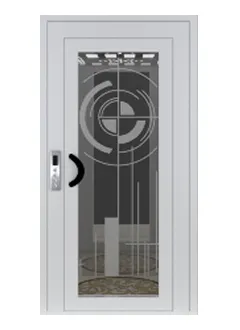
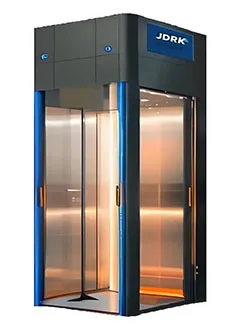
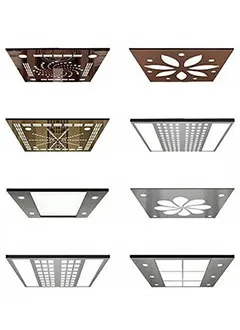
 Personalize OrderTraction Type Villa ElevatorTraction home elevator: No machine room, saves costs. Uses counterweight/gantry style, fits home door types. VVVF drive for smooth ride
 English
 French
 German
 Russian
 Spanish
 Portuguese
 Dutch
 Arabic
 Czech
 Japanese
 Korean