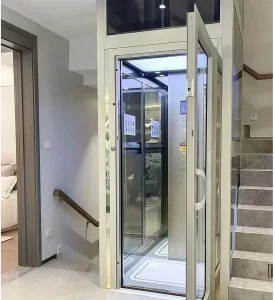
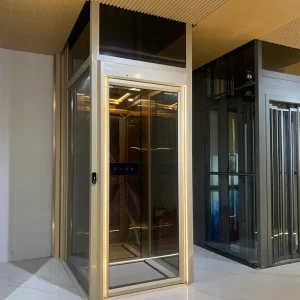
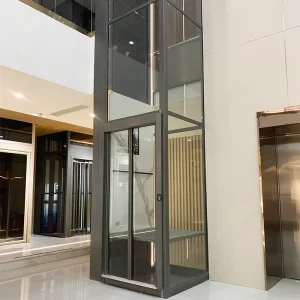
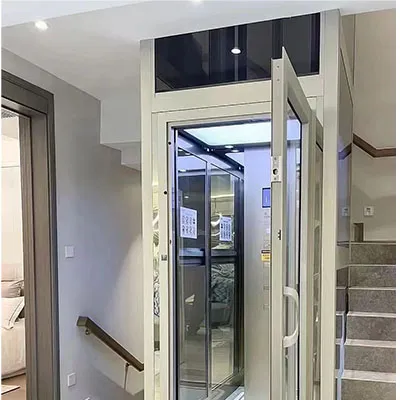
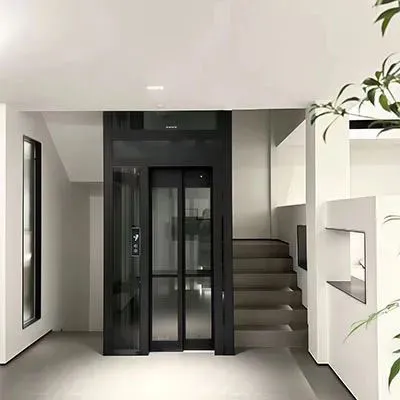
A hydraulic-driven residential elevator for villa uses high-end cylinders, pumps, and control valves. Its high-precision proportional valve would have smooth stable stepless speed regulation
Home Elevator & Residential Elevator: The Perfect Lift and Residential Lift Solutions for Your Home
Do you worry about navigating multiple floors in the home you love? This discomfort can become stressful, especially for individuals with mobility challenges. Thankfully, the perfect solution exists: a home elevator that fits seamlessly within your space, delivering new levels of comfort, convenience, and accessibility—all while preserving your home’s design.
A home elevator or residential elevator offers a practical way to move from floor to floor—especially if you’re seeking a convenient lift or residential lift solution. These compact systems suit existing home layouts or new construction, enhancing accessibility and adding a touch of luxury. Installation is straightforward, and design options abound to match any décor.
What Does a Residential Elevator Offer and Why Do You Need One?
A residential elevator is specifically designed to fit within a house or villa, unlike a commercial elevator typically used in public or multi-floor commercial buildings. More simply, this type of elevator provides safe, user-friendly operation to homeowners seeking improved accessibility, convenience, or simple ease of movement—without requiring a tremendous footprint in the house.
From my experience at our Elevator Manufacturing Plant for Residential and Villa Applications, a home elevator does more than simply transport you upstairs. It supports individuals with limited mobility, granting them the freedom to stay in the home they cherish. A residential elevator can also add value to your property. In some cases, installing a luxury home elevator can significantly boost the value of your home, making your listing more appealing when it comes time to sell.
Key Advantages of a Home Elevator
Improved Accessibility: Whether you have seniors in the family or just want to future-proof your house, a home elevator ensures freedom from the constraints of stair climbing.
Enhanced Safety: Modern safety features include advanced door sensors, emergency brakes, and smooth start/stop technology that minimize trips and falls.
Space-Efficient Footprint: Many home elevators provide a small footprint design, which works perfectly in an existing home without major renovations.
How Can You Incorporate a Home Elevator into an Existing Home?
One of the biggest questions homeowners ask is whether they can fit an elevator into a house that has already been built. The good news is: yes! Elevators can be installed in an existing home just as easily as in new construction, thanks to modern engineering and flexible drive system options.
Designing Around Your Existing Layout
When you add an elevator to your house during a renovation, architects and installer teams often look at spaces such as closets, unused corners, or near the stair area to place the shaft. Some models, like a vacuum elevator, can be self-supporting and do not require a machine room, saving you precious real estate.
Take Advantage of a Small Footprint
Contemporary systems, such as the traditional elevator or the newer Hydraulic home villa elevator, frequently boast a small footprint. This means they can seamlessly blend with your décor and structural constraints. Whether you’re in a traditional home or a modern villa, an elevator that fits within your design aesthetic is entirely possible.
What Safety Features Should You Look for in a Home Lift?
When planning to add an elevator or home lift in your residence, safety features are paramount. As an experienced residential elevator company, we prioritize components that safeguard everyone, from children to seniors.
Crucial Safety Considerations
Light Curtains or Door Sensors: Automatically detect obstacles, halting the door to prevent injury.
Emergency Lowering Device: Some refer to it as ARD (Automatic Rescue Device), ensuring you’re never trapped if power fails.
Backup Power Supply: Specific elevator system designs keep lights on if outages occur.
Locking Mechanisms: Guarantee that doors do not open between floors.
With advanced solutions, our elevator is the perfect marriage of form and function, providing home accessibility and peace of mind for all.
What Makes a Residential Elevator a Must-Have for Home Accessibility?
Residential elevators and lifts have evolved from luxury items to practical investments that promote home accessibility, comfort, and independence. For many families, an existing home equipped with an elevator encourages them to stay in the home instead of moving to a single-story house. This fosters a sense of stability and prolongs the lifestyle at home they love.
Mobility as a Priority
Individuals with mobility challenges find daily life infinitely more convenient with a home elevator.
For multi-generational households, an elevator is the ultimate choice in bridging comfort and inclusivity.
A stiltz home elevator or stiltz duo home elevator typically needs only a standard dedicated 220 volt 15 circuit, making it simpler to integrate.
Additionally, installing a residential elevator improves day-to-day convenience—no more lugging groceries or heavy items up multiple flights of stair.
Is Adding a Residential Elevator a Good Investment for Home Value?
Real estate developers and homeowners alike often wonder if putting in a custom residential elevator will add value or truly add value to your home. Industry data suggests that a well-planned elevator addition can have a significant positive impact on home value, especially in competitive real estate markets.
Adding Value to Your Home
Greater Market Appeal: More potential buyers prefer convenience and home accessibility.
Aging in Place: People want to buy once and settle, so a residential elevator is enticing.
Long-Term Cost Savings: If you can avoid relocating to a single-story house, you save on moving costs.
For further reading on how different solutions can blend with your home, check out our Platform Villa Elevator resource.
How Often Should You Maintain or Repair Your Residential Elevator?
Equipment Maintenance and Care
– Add some lubricating oil between the corresponding moving parts to extend the service life of the bearings.
– Check monthly whether the hydraulic pipe joints and fasteners are loose, and tighten them in a timely manner if looseness is found.
– For long – term disuse (more than 1 month), conduct inspections and no – load tests before use.
– Clean the suction filter of the oil pump and the filter of the solenoid valve every six months.
– When replacing or repairing hydraulic components, clean the surroundings of the equipment, clean and blow dry the components, and temporarily block the oil inlet and outlet ports. Avoid bumping and damaging the components during the disassembly and assembly process, and strictly prevent dust, solid particles and water from entering the hydraulic oil circuit system.
– Check the quality and level of the hydraulic oil. When the car is lifted, the hydraulic oil level should be 40 – 50 mm higher than the fuel tank (When installed outdoors, use 46# hydraulic oil in summer and 32# hydraulic oil in winter).
– Regularly check the circuit and replace the aging or damaged wires in a timely manner.
– Check the landing door interlock device monthly to ensure that the landing door cannot be opened when the elevator car is not at the floor.
Frequently Asked Questions
Is a home elevator an alternative to a stair lift for seniors with mobility issues?
Yes. A home elevator can be an excellent alternative to a stair lift, providing independent and comfortable movement. It also offers a more stylish and permanent solution that can add value to your property.
Do residential elevators come with emergency backup power?
Most modern residential elevators are available with battery backup systems or Automatic Rescue Devices, ensuring you can safely exit during a power outage. Consult your residential elevator company about these features.
What power supply does a Stiltz home elevator require?
A stiltz home elevator generally needs a dedicated 220 volt 15 amp power source. This connects to a standard circuit in the home. Often, only a 220 volt 15 amp wall outlet is necessary for smooth operation and “plug and play” functionality.
How much space does a typical home elevator require?
A typical home elevator today is compact and features a small footprint. Some models can fit even in tight corners, while others require slightly more space. Our experts will advise you based on your (floor plan + design).
How do I begin the elevator installation process?
The first step is to contact us with your requirements. An experienced team will collaborate with you to determine the most suitable type of elevator for your layout. From there, we’ll guide you through site assessments, design, budgeting, and final installation.
Will installing an elevator to your home disrupt daily life?
Our approach aims to minimize disruption. With tools such as a self-supporting shaft or minimal excavation for retrofitting, we shorten project timelines drastically. That said, your comfort remains a priority throughout the process.
Residential Home Elevator FAQ
What is the best elevator type for a residential home?
The best choice depends on available space, travel height, budget and usage frequency. Hydraulic lifts are strong and smooth, while traction lifts are efficient for compact villa projects.
Can a home elevator be customized for a villa project?
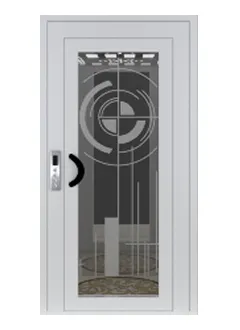
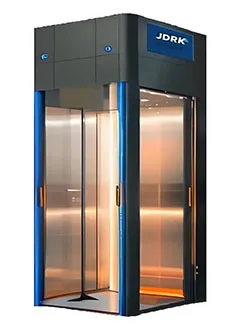
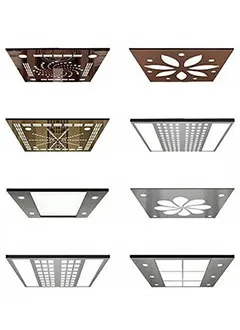
Yes. Cabin size, doors, ceiling, floor, control panels and safety features can be customized for residential and villa elevator projects.

 Personalize OrderTraction Type Villa ElevatorTraction home elevator: No machine room, saves costs. Uses counterweight/gantry style, fits home door types. VVVF drive for smooth ride
 English
 French
 German
 Russian
 Spanish
 Portuguese
 Dutch
 Arabic
 Czech
 Japanese
 Korean