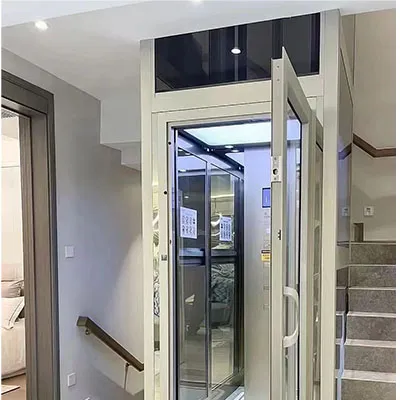
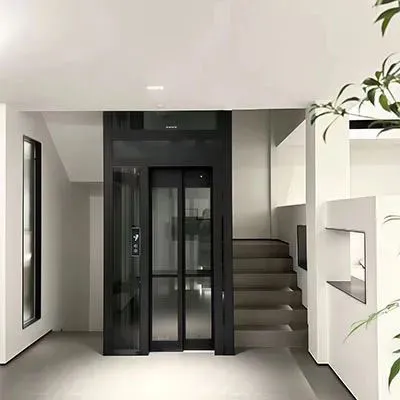
A hydraulic-driven residential elevator for villa uses high-end cylinders, pumps, and control valves. Its high-precision proportional valve would have smooth stable stepless speed regulation
Best Elevator Floor: Vinyl, Tile, PVC & Epoxy Options for Commercial Elevators and Home Lifts
Your elevator floor works harder than any hallway surface: it faces constant wear and tear from high foot traffic, rolling cart wheels, and occasional machinery loads—yet it must look refined inside every elevator cab. This guide shows how to pick the right flooring that blends safety, durability, and style for commercial elevator systems and villa-grade lift interiors.
What Makes a Great Elevator Floor in Modern Cabs?
A successful elevator floor balances three pillars—safety, performance, and design. In a commercial space, flooring must withstand constant wear and tear and high-traffic use without becoming slippery or scuffed; in a villa lift or residential elevators, it should provide quiet comfort and match the interior finishes.
Elevator flooring must meet these criteria:
Durability against heavy foot and excessive weight
Slip resistance without sacrificing elegance
Seamless floor covering transitions that coordinate with the lobby or hallway
Compatibility with the type of elevator (standard passenger elevator vs. freight elevators)
Well-chosen materials also prevent damage from grease or petroleum based spills and reduce elevator maintenance.
The Floor Series is designed to combine durability, safety, and aesthetic appeal in one seamless foundation. Each floor panel is crafted from high-quality, wear-resistant materials that ensure long-term performance and slip resistance—ideal for residential and villa elevators.
Safety First: Anti‑Slip, Enhanced Traction, and Non‑Slip Design
Slip resistance is non-negotiable. Choose surfaces with micro-textures for enhanced traction, and verify anti-slip ratings suitable for high-traffic areas. Even glossy epoxy can be engineered with grit to avoid a slippery feel while keeping a premium look.
Add protective floor mats at the threshold to stop sand and water, reduce scuffs, and prevent damage to the floor covering. This inexpensive accessory extends life in wet seasons.
Upkeep & Maintenance Costs: Surfaces That Are Easy to Clean
Floors that are easy to clean translate to lower maintenance costs and better rider impressions. Seamless systems minimize dirt traps, while resilient options like vinyl and rubber shrug off stains and scratches.
Plan a routine: scheduled cleaning, quick spot fixes, and periodic inspection of seams and adhesive edges. Smart upkeep today avoids expensive downtime tomorrow and reduces overall elevator maintenance.
Choosing by Application: Passenger, Freight, Villas, Offices, and Retail
Passenger elevator cabs in office space and retail stores benefit from resilient flooring options that dampen noise and match branding. In villas and residential elevators, quiet comfort and coordinated finishes with the hallway enhance the home experience.
Freight elevators need surfaces rated for excessive weight, repeated impacts, and spill resistance. A rugged rubber floor or gritted epoxy provides dependable traction and longevity in loading docks and commercial space.
FAQs
What is the best elevator flooring for high-traffic areas?
Epoxy with grit and rubber are top picks for high foot traffic in public settings.
Is vinyl safe for elevator use?
Yes—quality vinyl flooring is non-slip, resilient, and easy to clean, making it an ideal choice for villas and commercial elevator cabs alike.
Can I use tile in my villa elevator?
Yes. Tile or quartz adds elegance. Just confirm cab weight limits and choose an anti-slip finish to avoid a slippery surface.
How thick should elevator flooring be?
Resilient materials around 2mm are common; verify with your vendor based on excessive weight and rolling loads.
Which materials reduce maintenance costs?
Vinyl and rubber lower upkeep thanks to stain resistance and quick repairs; seamless epoxy reduces joints that trap dirt.
What if my building requires an elevator upgrade to match new décor?
A flooring refresh is fast: select a floor covering that coordinates with the lobby, then schedule installation during off-hours.
Elevator Floor FAQ
Which elevator floor material is best for heavy traffic?
Commercial elevators usually need durable PVC, tile or epoxy flooring, while home lifts can use lighter decorative finishes when load and wear requirements are lower.
What should buyers consider before choosing an elevator floor?
Check wear resistance, slip resistance, cleaning needs, cabin weight limits and whether the floor design matches the elevator ceiling and wall panels.

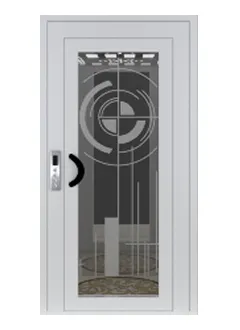
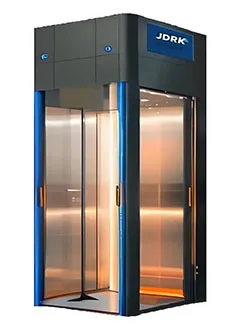
 Personalize OrderTraction Type Villa ElevatorTraction home elevator: No machine room, saves costs. Uses counterweight/gantry style, fits home door types. VVVF drive for smooth ride
 English
 French
 German
 Russian
 Spanish
 Portuguese
 Dutch
 Arabic
 Czech
 Japanese
 Korean