가정 및 빌라 엘리베이터 전문 제조업체 | SGS, SGC, SGRZ, CNCA, CNAS 및 ISO 9001 인증

Stairs slow traffic and strain tenants. Traction gear can be overkill in short buildings. A hydraulic passenger elevator solves both: compact layout, smooth ride, and reliable performance for low-rise projects—without blowing your budget.
A hydraulic passenger elevator is an elevator system for low-rise buildings that uses a pump to move hydraulic fluid into a cylinder, pushing a plunger that raises the elevator cab along guide rails. It delivers strong starting torque, quiet comfort, and flexible elevator design in short elevator hoistway runs. Choose holeless or twin-post layouts to fit tight shafts and minimize construction work.
A hydraulic passenger elevator lifts an elevator car by pumping hydraulic fluid into a cylinder. Pressure extends a plunger under or beside the car; releasing fluid lowers it. Compared with a 견인 엘리베이터, hydraulic offers simpler elevator installations, robust starting power, and excellent leveling at short travel distance.
유압 elevators operate with a pump powered by electric motors. In most low-rise applications, the car rides on guide rails in a compact hoistway. Because there’s no heavy overhead sheave, architects can optimize ceiling heights and façade lines.
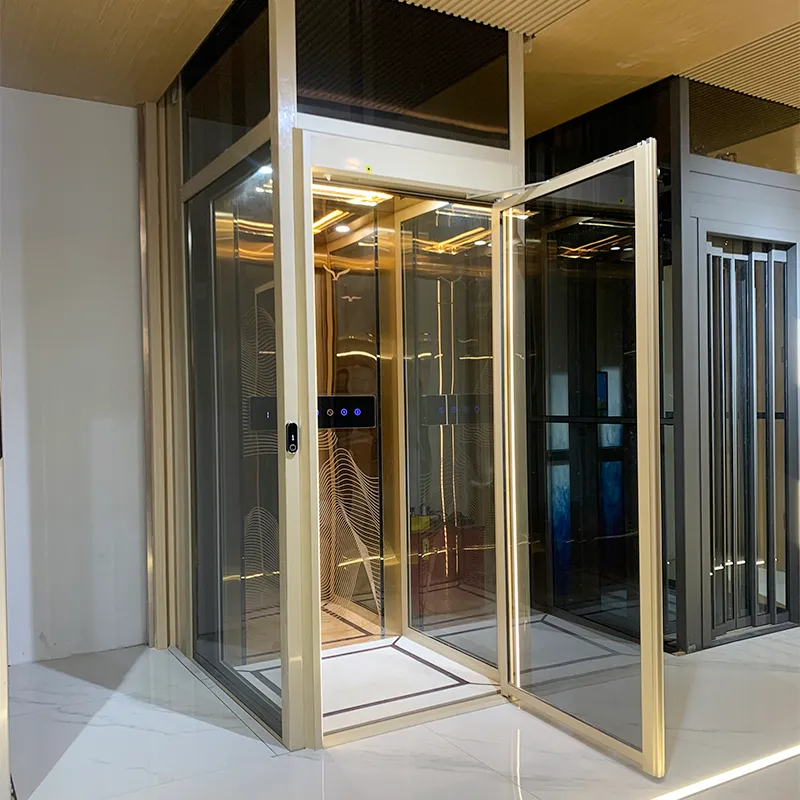
Holeless hydraulic uses one or two jacks mounted to the side of the elevator hoistway—no deep bore. It’s ideal for sites with high water tables or where drilling is restricted.
Holed hydraulic places the cylinder below the pit. It’s efficient on space but needs boring; review soil and permits.
Rule of thumb: For most low-rise buildings (2–5 stops), holeless layouts reduce risk, speed up the new elevator schedule, and cut civil costs. When you need extra stroke with minimal side loads, consider center-bore systems after a geotech check.
Hydraulic is the go-to for vertical transportation in low-rise residential blocks, clinics, schools, and boutique offices. Short journeys, frequent stops, and modest speeds match the hydraulic profile perfectly. The elevator features—gentle acceleration and precise floor-leveling—support safety and comfort for families and seniors.
In mixed-use assets, hydraulic units pair well with service elevators or freight elevators. Tenants get smooth people flow, facilities teams get rugged goods transport, and you avoid overspecifying high-speed elevators where they aren’t needed.
유압 advantages
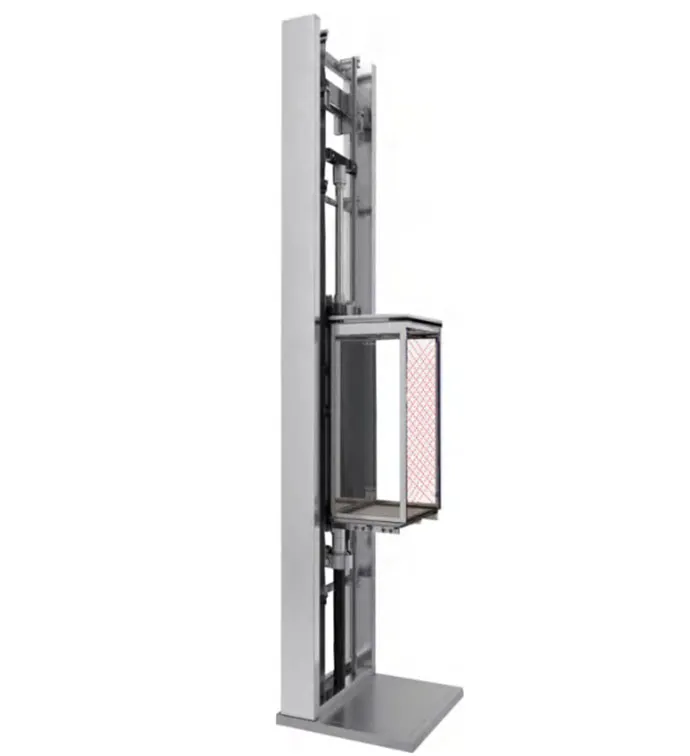
Traction advantages
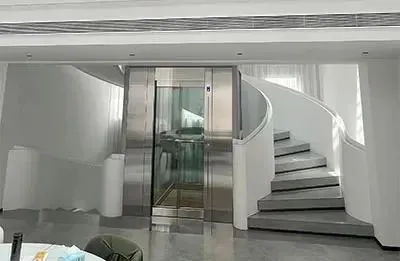
Bottom line: If your building is low-rise with 2–6 stops, hydraulic is often the right first choice. For longer travel or higher speeds, traction—especially machine-room-less elevator packages—takes the lead.
유압 elevator maintenance focuses on three pillars: fluid health, valve calibration, and door mechanics. With routine checks, you deliver reliable performance for decades.
Core protections
Overspeed & rupture valves on the jack line
Emergency lowering and emergency stop circuits
Door interlocks and pit switches
With IoT controllers, teams schedule predictive maintenance, spotting trends before riders do—shortening downtime and improving tenant satisfaction.
Pro tip: Specify holeless hydraulic where drilling risk exists; it’s the fastest path to TCO certainty.
 Korean
 English
 French
 German
 Russian
 Spanish
 Portuguese
 Dutch
 Arabic
 Czech
 Japanese