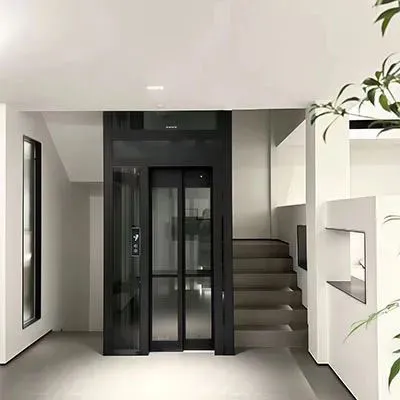
ホームエレベーターと別荘エレベーターの専門メーカー|SGS, SGC, SGRZ, CNCA, CNAS & ISO 9001Certified

Choosing the wrong elevator can waste space, raise maintenance costs, and make a building feel less comfortable every day. That problem is even bigger in villas and short-rise projects. A well-matched hydraulic elevator solves it with smooth travel, strong lifting force, and practical low-rise design.
A hydraulic elevator is a type of elevator that uses a piston, cylinder, and hydraulic fluid to raise and lower the elevator car. It is especially suitable for low-rise buildings and villas, while traction vs hydraulic decisions usually depend on travel height, available space, budget, and the performance needed for long-term vertical transportation.

When I speak with B2B buyers in the home-lift market, the same questions always come up. Should we choose a hydraulic system or a traction system? Which one fits a villa better? Which one is easier to plan into a short-rise building? For projects where comfort, customization, and practical installation matter, the hydraulic elevator is still one of the most useful answers.
Jiade (Shandong) Elevator Co., Ltd. clearly presents hydraulic domestic elevators as part of its core product family. On its category and homepage content, the company describes a hydraulic-driven residential elevator for villas as using high-end cylinders, pumps, and control valves, with a high-precision proportional valve for smooth, stable, stepless speed regulation. That gives us a strong base for understanding why hydraulic lifts still matter in modern residential projects.
A hydraulic elevator is a type of elevator that relies on fluid pressure instead of a traction elevator system with ropes and a counterweight. In simple words, the lift uses a pump to push hydraulic fluid into a cylinder, which moves a piston and raises the cabin. This makes it a proven solution for villas, private homes, and other low-rise applications where long travel heights are not required.
One reason this elevator type remains popular is that hydraulic elevators are typically used where reliable lift force and a smooth, quiet ride are more important than very high speed. Jiade’s own hydraulic page highlights strong lifting force, high efficiency, and low energy consumption for short travel distances and heavy loads. That matches the classic strengths of hydraulic lifts in residential projects.
For buyers in the villa and home-lift market, the hydraulic option is attractive because it is practical, easy to understand, and often well suited to short-rise building conditions. In many cases, it is the right elevator when the project values stability, comfort, and straightforward low-rise engineering over taller travel ranges.
To understand how a hydraulic elevator work system functions, imagine a lifting tube and a moving rod. The pump sends oil into the cylinder, pressure builds, and the piston rises. Since the piston is connected to the lift structure, the cab moves upward. When the system needs to descend, the valve releases fluid in a controlled way to lower the elevator gently and safely.
In many descriptions, hydraulic elevators use a hydraulic piston that travels inside the cylinder. That piston attached to a sheave arrangement may appear in some roped hydraulic systems, while direct systems move the car more directly. Either way, the core principle is the same: pressure in the cylinder creates motion. That is how the lift raises and lowers the cabin without the same type of overhead counterweight arrangement seen in traction products.
Simple Hydraulic Elevator Workflow
That is the heart of how hydraulic lifts raise and lower the car safely in short-rise applications.
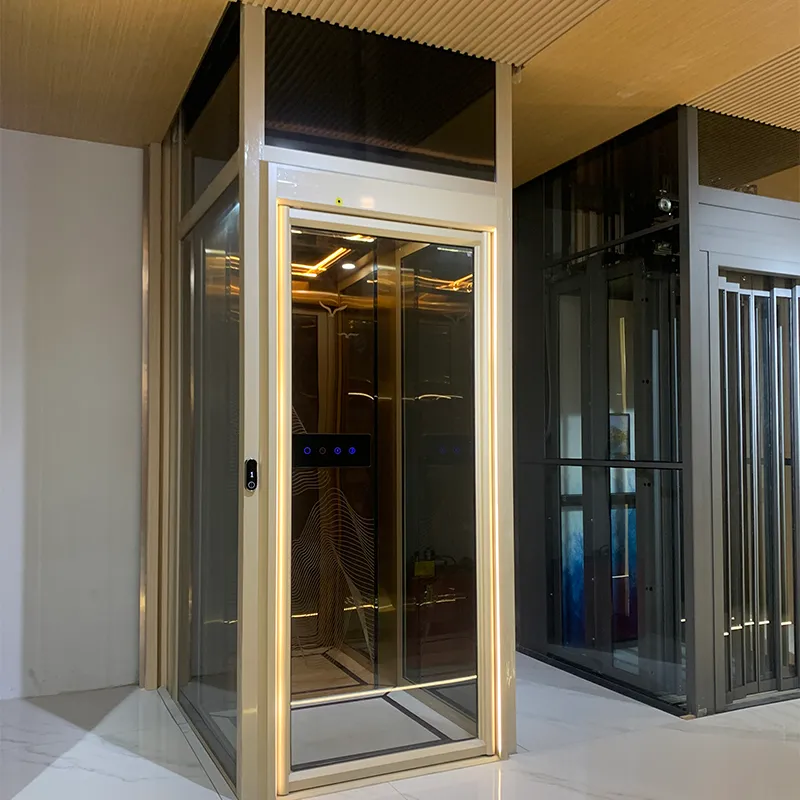
The benefits of hydraulic elevators are easy to understand in residential use. First, they offer strong lifting force and stable performance in short-rise applications. Jiade specifically says its hydraulic domestic elevator uses high-end cylinders, pumps, and control valves for smooth stable stepless speed regulation.
Second, hydraulic lifts often have fewer moving parts than traction systems. That can simplify service logic and make the product easier for some buyers to evaluate. Third, they are often appreciated for their smooth and quiet ride, especially in villas and homes where daily comfort matters more than very high speed. Jiade’s site repeatedly frames hydraulic home elevators as quiet, reliable, and space-efficient in modern villas.
Practical Advantages
That is why hydraulic lifts remain a strong option even while traction products gain more attention in some segments.
Hydraulic elevators are typically used in villas, private homes, and low-rise buildings where the travel height is moderate and the ride needs to feel calm and comfortable. JDRKCN’s hydraulic pages position them specifically for villas and short travel distances, which makes sense because these are exactly the environments where hydraulic lifts often perform well.
This is why hydraulic lifts are common in:
Hydraulic lifts are not usually the first choice for high-rise travel because of height limitations. But for low-rise residential jobs, they remain highly practical. In many of those cases, hydraulic elevators also offer a very comfortable user experience.
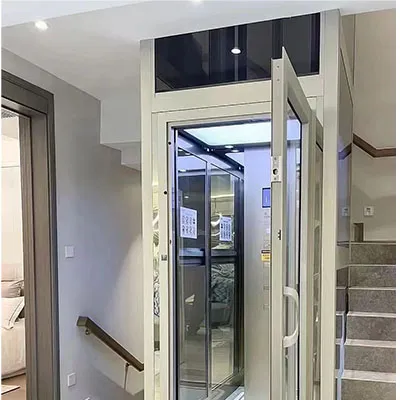
Modern hydraulic lifts can offer strong elevator safety when designed and maintained correctly. JDRKCN’s hydraulic home-lift content mentions emergency lowering, battery backup, and overload sensors as part of the hydraulic home-elevator discussion. These kinds of features matter a lot in residential use, where end users want confidence without technical complexity.
Hydraulic lifts are also valued because their motion can feel controlled and predictable. The system can meter oil for a gentle descent, helping create a comfortable stop. In modern residential products, manufacturers focus on safe valves, stable controllers, and practical protection features to ensure the cabin remains dependable every day.
Common Safety Points
For B2B buyers, that combination of comfort and protection makes hydraulic lifts easier to position in premium home projects.
Before choosing a 油圧エレベーター, I recommend checking six things:
These six points matter more than chasing the lowest number on a quotation. A hydraulic lift may have an attractive initial cost, but the real value depends on the full package: design fit, installation quality, maintenance planning, and long-term comfort. That is especially true in villas and home projects, where the elevator becomes part of daily life rather than just a building utility.
For many buyers, the best decision is not “hydraulic or traction?” It is “Which one matches this home best?” That is the right way to compare hydraulic and traction.
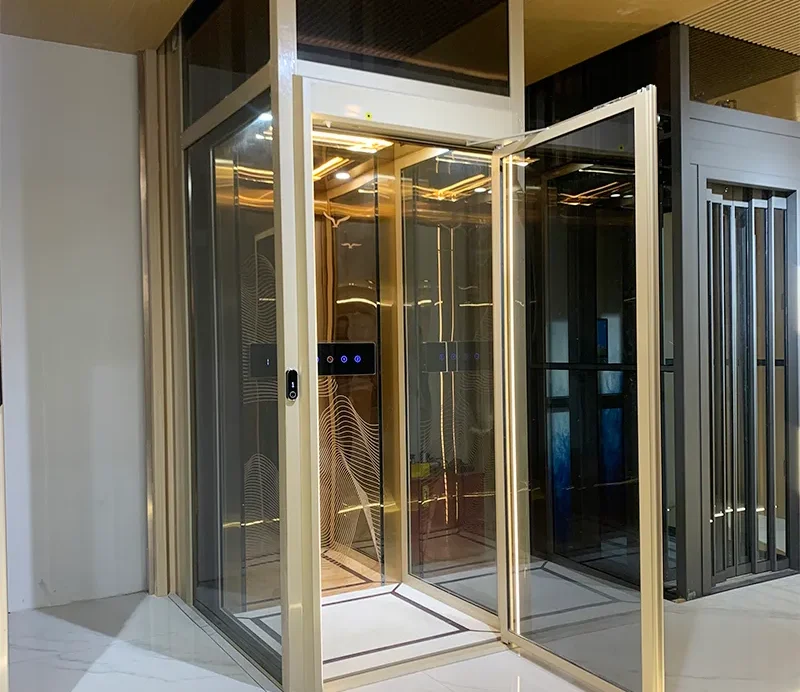
Jiade presents itself as a professional home and villa elevator company, and its site consistently positions hydraulic domestic elevators as one of its core product families. The company highlights high-end cylinders, pumps, control valves, and smooth stable stepless speed regulation, while also supporting traction and platform solutions for other building needs.
For overseas B2B buyers, that matters because the supplier needs to understand more than just one product. Developers, distributors, and contractors usually want a partner who can discuss traction vs hydraulic, explain what fits a villa or low-rise project better, and support customization. Jiade’s positioning around home and villa lifts makes it more relevant to that buyer profile than a purely generic industrial supplier.
In other words, a serious factory partner should help the buyer choose the right system, not just sell the nearest standard unit.
A 油圧エレベーター is an elevator that uses a pump, hydraulic fluid, a piston, and a cylinder to lift and lower the car. It is commonly used in villas and low-rise buildings.
A pump sends oil into the cylinder, pressure moves the piston, and the car rises. When the system descends, a valve controls the release of fluid to lower the elevator smoothly.
It depends on the project. A hydraulic lift is often ideal for villas and short-rise buildings, while a traction elevator is often better for taller travel and broader speed demands.
Many do use some equipment space, but layout varies by model. Buyers should confirm the pump-unit arrangement and whether the design needs a traditional machine room or a more compact setup.
Holeless hydraulic elevators are hydraulic lifts designed without a deep buried jack, which can help in some sites with tighter construction conditions or retrofit needs.
They are commonly used in villas, private residences, and other low-rise projects where smooth, quiet travel and practical installation matter most.
 Japanese
 English
 French
 German
 Russian
 Spanish
 Portuguese
 Dutch
 Arabic
 Czech
 Korean