ホームエレベーターと別荘エレベーターの専門メーカー|SGS, SGC, SGRZ, CNCA, CNAS & ISO 9001Certified

Stairs limit freedom, especially in multi-level homes. Renovations look messy and expensive. A ホームエレベーター—compact, quiet, and safe—lets you move floor to floor with ease while adding value and comfort.
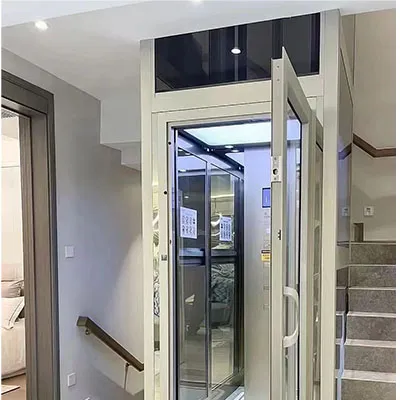
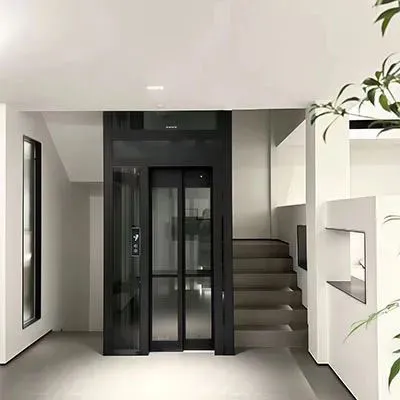
A home elevator (also called a residential elevator or home lift) is a compact lift that moves people between floors in a house. Modern models fit a small footprint, may not require a machine room, and run on standard power. They improve accessibility, raise home value, and are available in multiple elevator models—including vacuum elevator (PVE) and traditional traction or hydraulic systems.
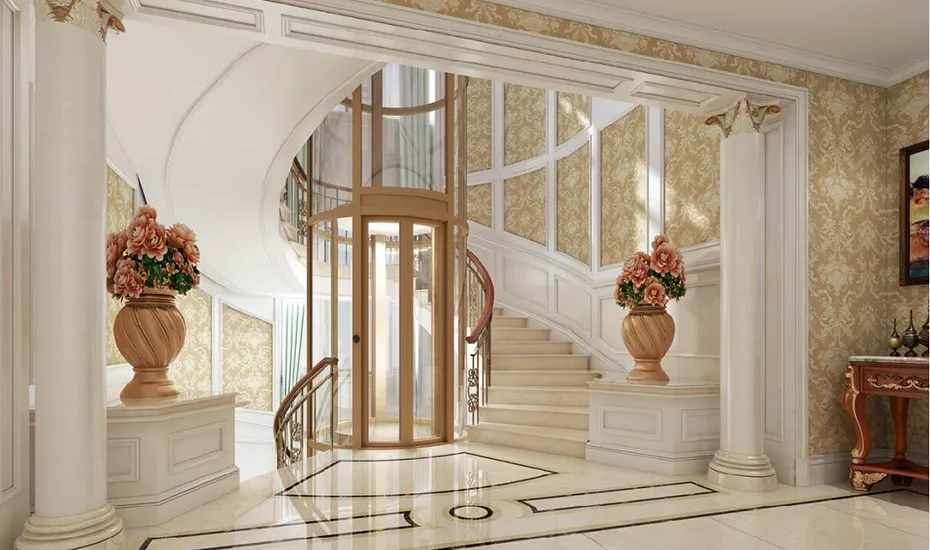
In practice, ホームエレベーター and residential elevator mean the same thing: a compact lift designed for private houses, villas, or townhomes. Compared with commercial elevators, residential models use a small footprint and lower speeds to suit family use, quiet operation, and energy savings.
A modern home lift may be machine room or machine-room-less. Some units install in an existing home with minimal construction work, while others are best for new construction. If you aim to add an elevator later, choose an elevator shaft location early or consider a shaft-less elevator style.
Traction (VVVF):
A refined version of the traditional elevators used in low-rise buildings. Benefits: smooth ride, low power consumption, and flexible cabin sizes. Great when you want the “best home elevator” feel with classic comfort.
Hydraulic:
A proven, economical solution with a compact layout. The pump drives oil to a cylinder. It can offer a slightly larger elevator car in a tight footprint and can be very quiet with proper installation and elevator maintenance.
Residential elevator cost depends on the drive system, number of floor levels, finishes, door style, and site conditions. A cost estimate typically includes the lift equipment, elevator installation, basic elevator standards compliance, and start-up.
Remember ongoing maintenance and repair services extend the life of your elevator and protect its value.
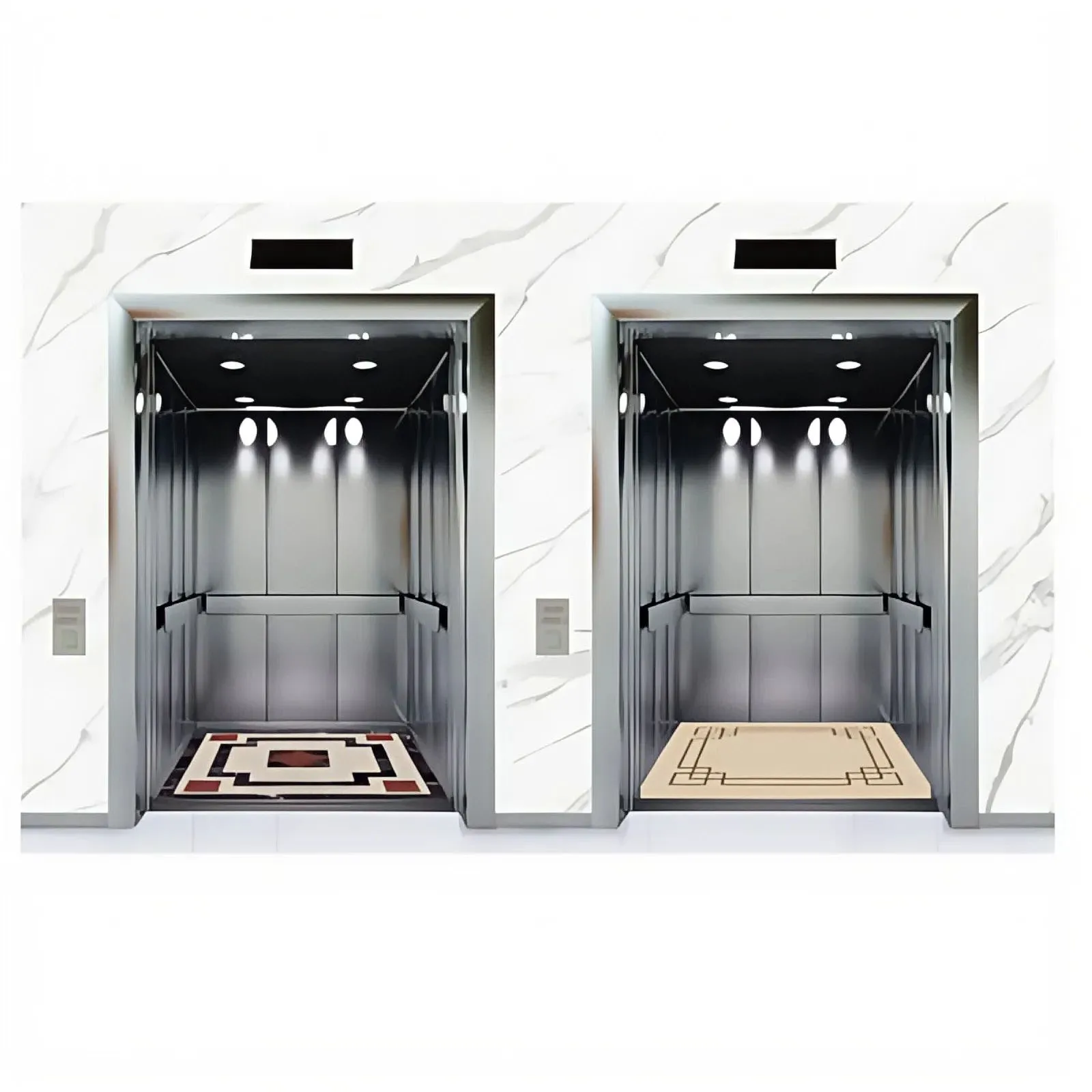
A small footprint is a top reason homeowners choose residential lifts. Many home elevators and residential elevators fit in a typical closet space, and some shaft-less elevator options have even smaller requirements.
A home lift helps individuals with mobility challenges stay in the home we love without moving or remodeling. It’s a long-term accessibility solution that is safer and more comfortable than carrying loads on stairs.
Value: Adding a 住宅用エレベーター can add value to your home—especially when it blends with interiors and follows local elevator standards. For multigenerational families, elevators provide daily convenience that buyers appreciate.
Case study: staying in the home you love
A couple wanted to stay in the home they built 25 years ago. Stairs became tough, so they decided to add a residential elevator next to the staircase. A two-stop traction home lift with a small footprint was installed in seven days. The results: safer daily living, a rise in perceived home value, and simple upkeep via an annual elevator maintenance plan.
“We move from one floor to the next with a button press—quiet, smooth, and stress-free.”
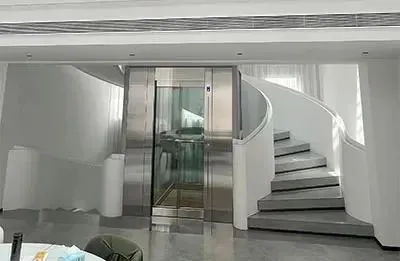
What is the smallest footprint for a residential elevator?
Some ホームエレベーター use a very compact footprint and don’t require a machine room. A shaft-less elevator or pneumatic elevator can fit where space is tight.
Is a home elevator an alternative to a stair lift?
Yes. For users who dislike transfers, a ホームエレベーター is an alternative to a stair lift, offering more comfort and capacity for family and items.
How much does a home elevator cost?
Residential elevator cost varies by system, number of stops, and finishes. Ask for a detailed cost estimate that includes エレベーター設置 and after-sales service.
Does a home elevator increase property value?
Often, yes. When well integrated, elevators provide long-term home accessibility and can add value to your home, especially in multi-level houses.
What maintenance do home elevators need?
Plan routine elevator maintenance with your home elevator company. Regular checks extend the life of your elevator and maintain safety.
Can elevators be installed in virtually any home?
In many cases, yes. Custom elevators and smart elevator models allow solutions for virtually any home, provided structure and power support the elevator to your home.
 Japanese
 English
 French
 German
 Russian
 Spanish
 Portuguese
 Dutch
 Arabic
 Czech
 Korean