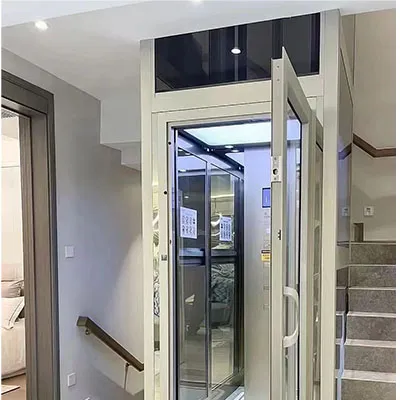
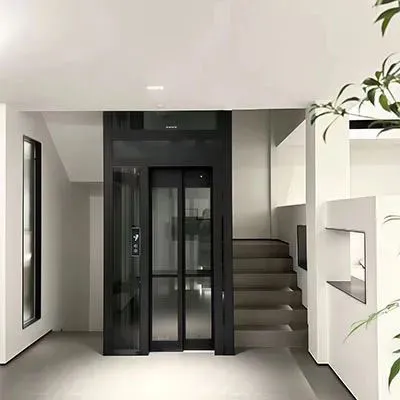
Un ascenseur résidentiel à commande hydraulique pour villa utilise des cylindres, des pompes et des vannes de contrôle haut de gamme. Sa valve proportionnelle de haute précision permet de réguler la vitesse en douceur et en continu.
Ascenseur domestique à traction : Pas de salle des machines, ce qui permet de réduire les coûts. Utilise un contrepoids/un portique, s'adapte aux types de portes de la maison. Entraînement VVVF pour un déplacement en douceur
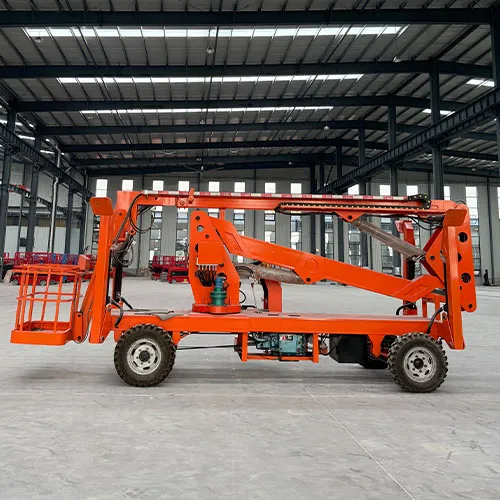
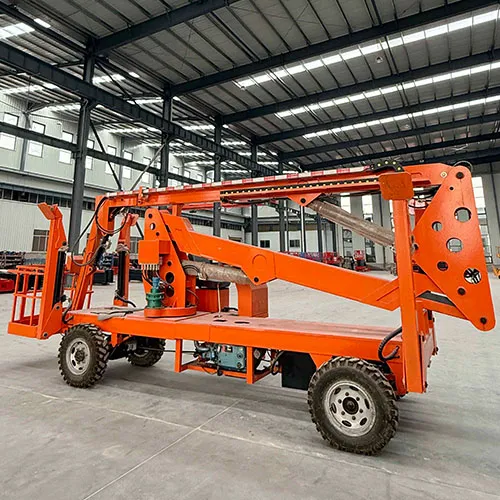
Spider Telescopic Lift Platform: A Compact Crawler Spider Boom Lift for Aerial Work
Tight access, uneven ground, and hard-to-reach jobs make standard lifts frustrating and risky. That problem grows fast on complex sites. A spider lift solves it with a compact footprint, tracked mobility, and stable elevated access for indoor and outdoor tasks.
A Spider Telescopic Lift Platform is a compact aerial work platform with a telescopic boom, crawler tracks, and stabilizers that help operators work safely at height in narrow access areas, soft ground, and irregular terrain.
What Is a Spider Telescopic Lift Platform?
A spider telescopic lift is a compact aerial lift with extendable booms, a tracked undercarriage, and stabilizers that allow safe access to elevated work points. JDRKCN describes it as a compact machine with rubber tracks, strong outreach, and the ability to work in hard-to-reach zones both indoors and outdoors.
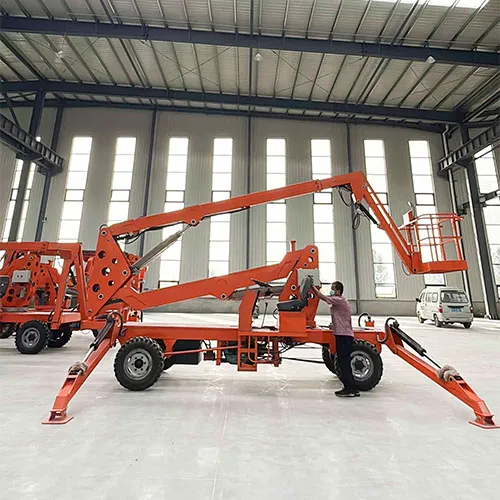
The name comes from its setup style. When the machine deploys its outrigger legs, it looks like a spider spreading out for balance. That wide stance supports safe working at height even when the ground is irregular. Compared with larger lifts, the compact design helps the machine pass into narrower access routes and set up closer to the task.
This makes the platform spider concept especially useful where a conventional machine struggles. Think narrow gates, garden paths, courtyards, indoor halls, delicate surfaces, or elevated maintenance points with poor direct access.
Why Is a Spider Lift Better Than Many Standard Boom Lift Options?
A traditional boom lift can be excellent on open, firm job sites, but it may struggle in steep or tight conditions. JDRKCN specifically points out that spider lifts outperform many standard lift types in narrow corridors, stairs, elevated gardens, and uneven surfaces because of their tracks, compact build, and telescopic reach.
That is one of the biggest spider boom lift advantages. A crawler spider boom lift is built to go where many wheeled lifts cannot go easily. The crawler base spreads weight better, improves grip, and reduces the chance of getting stuck on grass, gravel, or soft ground. The result is strong versatility across a wider mix of job sites.
How Does the Crawler Spider Boom Lift Work on Uneven Terrain?
JDRKCN explains that the crawler spider design uses hydraulic extendable stabilizers and tracked mobility to maintain balance on steep slopes and irregular surfaces. That is a major selling point because many elevated jobs do not happen on perfect concrete slabs.
The combination of rubber tracks and stabilizer legs gives the machine two advantages. First, the tracks help the machine travel across different types of terrain. Second, the outriggers level and support the unit once it reaches the work zone. This helps the operator keep the platform basket stable during elevated tasks.
That is why tracked lifts are often chosen for:
slopes
gravel paths
soft lawns
muddy access routes
landscaped properties
rough maintenance zones
For work on uneven ground, the tracked spider format is usually one of the smartest choices in the aerial platform market.
What Applications Are Spider Lifts Used For?
JDRKCN lists several common applications for the spider lift: building maintenance, façade work, tree trimming, indoor mall and stadium repairs, power line inspections, glass installation, and cleaning. These are practical, high-frequency use cases where a compact aerial work platform adds real value.
This makes the machine useful across many industries:
property maintenance
construction finishing
utility service
glazing and cladding
landscaping and tree trimming
venue maintenance
For example, a contractor may need to reach a glass façade above a landscaped courtyard. A larger wheeled unit may damage the surface or fail to enter the zone. A tracked self-propelled spider machine can often handle the route more effectively. That is where the product’s value becomes obvious.
In practical terms, spider lifts offer a better answer whenever the job site is awkward, elevated, and access-limited.
What Power Options Are Available for Spider Lifts?
JDRKCN states that spider lifts come in electric, diesel, and hybrid configurations. It also notes that battery models with lithium-ion batteries offer long life and lower emissions and noise, which matters for urban jobs and interior use.
That gives buyers flexibility by application:
Diesel for rugged outdoor work
electric for indoor work
hybrid for mixed-use sites
This matters because indoor and outdoor applications often demand different operating profiles. Indoors, low emissions and noise are critical. Outdoors, raw power and longer untethered use may matter more. In some fleets, buyers may also want an optional gasoline engine or mixed-power planning depending on regional demand, though exact engine options should always be confirmed model by model.
For rental companies and contractors, the best choice depends on where the machine will work most often.
What Safety Features Should Buyers Expect?
Safety is one of the most important reasons to choose a quality spider boom lift. JDRKCN highlights emergency electric pump descent, auto-leveling stabilizers, anti-tip sensors, and basket overload alarms. These are core protection features for elevated work.
In real site use, lifts are equipped with systems that help reduce operator error and improve machine stability. A good aerial work platform should support controlled descent, clear load limits, and safe leveling on irregular sites. The stabilizers are especially important because they help the platform basket spider stay secure even when the machine is not parked on perfectly level ground.
Key Safety Points
auto-leveling stabilizer system
overload warning in the basket
anti-tip sensing
emergency lowering
track-based stability on rough access routes
For buyers in professional fleets, this is not optional. It is central to machine value.
Why Are Spider Lifts So Useful in Tight Spaces and Hard-to-Reach Areas?
This is where the compact size and tracked chassis really shine. JDRKCN explains that spider lifts are suited to narrow corridors, stairs, elevated gardens, and access-restricted maintenance zones.
A compact design helps the machine pass through a doorway, move close to the work area, and reduce the need for oversized setup zones. That makes spider lifts highly effective in tight spaces, confined spaces, and locations that are simply hard-to-reach with conventional lifts.
Common examples include:
interior atriums
shopping centers
museums
stadium repair zones
courtyards
rooftop access points
tree-care areas with narrow entry
This is why spider lifts deliver such strong value in specialist access work. They are built for places where standard machines often fail.
What Should Buyers Check Before Choosing a Spider Lift for Sale?
When evaluating a spider lift for sale, I suggest focusing on the real work profile rather than just headline reach. The first question is not “What is the tallest unit?” The first question is “What jobs do I need this machine to do every week?”
A useful checklist includes:
Required working height
Required platform height
Indoor, outdoor, or mixed use
Ground conditions
Need for electric or diesel
Width restrictions and entry access
Whether tracked self-propelled movement is needed
Service and technical support availability
You should also compare the machine against alternatives like a scissor lift, standard boom models, and other tracked units. A spider machine is usually the strongest option when the site includes tight access and uneven conditions at the same time.
Why Does This Matter for the Aerial Platform Market?
The aerial platform market keeps rewarding machines that solve access problems instead of only adding size. Spider lifts fit that trend well because they support both specialist contractors and rental fleets. JDRKCN even notes that these platforms are common in rental fleets because of their flexibility and ease of operation.
That tells us something important. This is not a niche novelty. It is a practical category with strong use in:
property maintenance
glazing
arborist work
utilities
public venue repairs
construction finishing
As job sites get more constrained and safety expectations rise, buyers increasingly want easy-to-use, compact, and multi-scenario equipment. That is exactly where the crawler spider boom lift category keeps gaining attention.
It is a compact aerial work platform with a telescopic boom, tracks, and stabilizers designed for elevated work in narrow, uneven, or hard-to-access areas. JDRKCN describes it as suitable for both indoor and outdoor use.
What jobs are spider lifts best for?
They are commonly used for façade maintenance, glass work, inspections, cleaning, indoor venue repair, and tree care such as prune and tree trimming work.
Can spider lifts work on uneven ground?
Oui. JDRKCN highlights the combination of crawler tracks and hydraulic stabilizers as a key reason these machines perform well on rough and irregular ground.
Are spider lifts good for indoor work?
Yes. Electric models are especially suitable for indoor work because they reduce emissions and noise, according to JDRKCN’s article.
What power options are available?
JDRKCN lists electric, diesel, and hybrid configurations. Battery versions can also offer low noise and low-emission benefits.
Why choose a spider lift instead of a regular boom lift?
A spider boom lift is often better when the site has narrow access, soft surfaces, slopes, or restricted setup space. Its tracks and stabilizers improve access and stability in those environments.

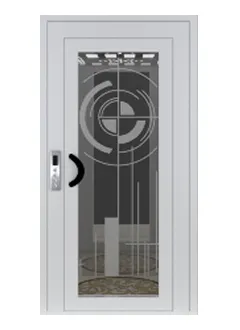
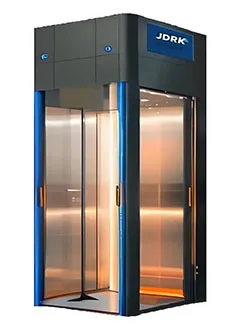
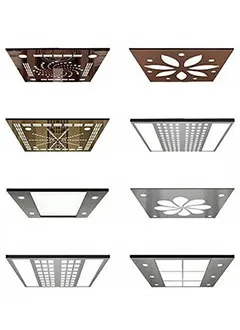
 Personnaliser la commandeType de traction Villa ElevatorAscenseur domestique à traction : Pas de salle des machines, ce qui permet de réduire les coûts. Utilise un contrepoids/un portique, s'adapte aux types de portes de la maison. Entraînement VVVF pour un déplacement en douceur
 French
 English
 German
 Russian
 Spanish
 Portuguese
 Dutch
 Arabic
 Czech
 Japanese
 Korean