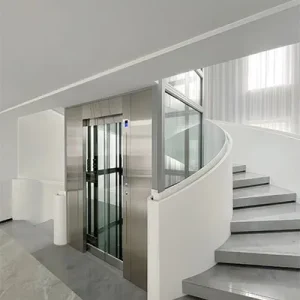
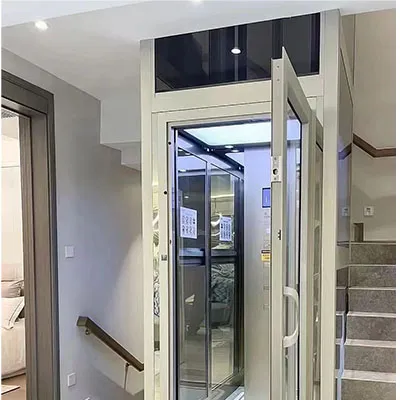
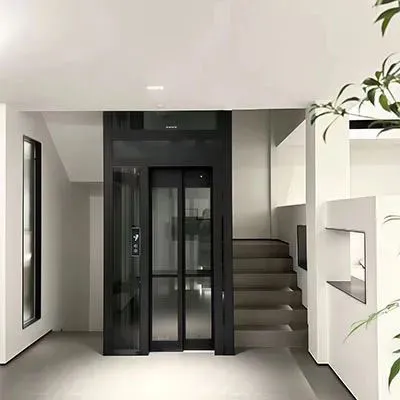
Un ascensor residencial hidráulico para chalés utiliza cilindros, bombas y válvulas de control de alta gama. Su válvula proporcional de alta precisión tiene una regulación de velocidad suave, estable y continua.
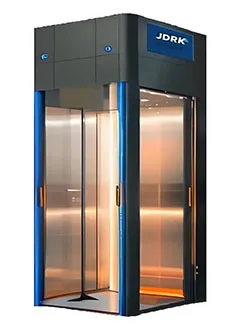
Ascensor doméstico de tracción: Sin cuarto de máquinas, ahorra costes. Utiliza contrapeso/estilo de pórtico, se adapta a los tipos de puertas de casa. Accionamiento VVVF para un desplazamiento suave
Traction Type Elevator: How a Traction Elevator Works, Types of Elevators, and the Hydraulic Elevator Debate
Problem: Many developers and distributors struggle to choose the right elevator system for residential and villa projects.
Agitate: A wrong choice can increase costs, reduce comfort, and limit long-term performance.
Solution: Understanding how a traction elevator works—and how it compares with a hydraulic elevator—leads to smarter decisions.
Answer: A traction type elevator is a type of elevator that uses a traction machine, rope, and counterweight to move the elevator car efficiently. Compared with hydraulic systems, traction elevators typically offer better energy efficiency, smoother operation, and broader application across residential and commercial buildings.
What Is a Traction Elevator?
A elevador de tracción is a common type of elevator that uses a traction machine and elevator cables to lift and lower the elevator car. A counterweight balances the weight of the elevator car, reducing the load on the motor.
This type of elevator that uses traction systems has become the standard solution in many building types. In fact, elevators are the most common vertical transport devices worldwide, and traction elevators dominate modern installations.
From our experience at Jiade (Shandong) Elevator Co., Ltd., traction elevators are especially popular among villa developers and overseas distributors who value long-term reliability and customization.
How Do Traction Elevators Work?
So how exactly do traction elevators work?
A traction elevator uses a traction motor to rotate a sheave. Steel rope passes over the sheave, with one end attached to the elevator car and the other connected to a counterweight. As the motor turns, it moves the elevator cables, allowing the system to move the elevator car up or down.
Because the elevator car and the counterweight balance each other, less energy is required to lift the elevator. This makes ascensores de tracción a more sustainable solution and improves overall energy efficiency.
The process is controlled by an advanced elevator control system, ensuring accurate leveling, smooth starts, and safe stops.
Types of Traction Elevators: Main Types Explained
There are two main types and main types of traction elevators:
Geared traction elevator
Gearless traction elevator
These are the primary types of ascensores de tracción available today. Each type of traction has its place depending on speed, load, and cost considerations.
Understanding these different types of elevators helps developers select the most appropriate elevator for their project.
Gearless Traction Elevators: Modern Elevator Technology
Gearless traction systems connect the motor directly to the sheave. Gearless traction elevators are known for smooth operation, low noise, and reduced mechanical wear.
A gearless elevator uses a gearless traction machine, which improves efficiency and reduces maintenance. This makes gearless systems ideal for high-end residential projects where comfort matters.
In our projects, ascensores de tracciónare equipped with advanced controls that support quiet, stable travel—an important factor for luxury villas.
Geared Traction Elevator Systems
A geared traction elevator uses gears between the motor and the sheave. Geared traction machines are robust and cost-effective, making them suitable for moderate speeds and loads.
Although not as efficient as gearless systems, they remain a common type of elevator, especially in freight elevators or mid-rise residential buildings where durability is key.
The traction machine’s design directly impacts ride quality, noise, and long-term performance.
Advantages of Traction Elevators in Residential Projects
The advantages of traction elevators are clear:
Better energy efficiency
Suitable for a wide range of building types
Smooth, quiet operation
Flexible elevator design
In fact, traction elevators offer numerous advantages for developers targeting long-term residential value. Traction elevators offer better performance compared to hydraulic elevators, especially as building height increases.
This is why traction elevators typically appear in premium residential and mixed-use projects worldwide.
Choosing an Appropriate Elevator for Your Project
When choosing an elevator, consider:
Building height and elevator shaft layout
Load requirements and weight of the elevator car
Budget and costs of traction systems
Maintenance expectations and elevator maintenance
Whether a traction elevator fits your project depends on these factors. Whether aelevador de tracción or hydraulic system is better should always be evaluated case by case.
At Jiade (Shandong) Elevator Co., Ltd., we make traction elevators and hydraulic solutions tailored for villa and residential markets, supporting OEM/ODM cooperation and long-term partnerships.
Preguntas frecuentes
Are traction elevators better than hydraulic elevators?
Compared to hydraulic elevators, traction systems are more energy-efficient and suitable for taller buildings, while hydraulic elevators work well in low-rise projects.
Do traction elevators require a machine room?
Many systems require a machine room, but modern designs can reduce or eliminate this requirement.
Where are traction elevators commonly used?
They are widely used in residential villas, apartment buildings, and commercial buildings.
Are traction elevators suitable for luxury homes?
Yes. With proper elevator design, traction elevators provide smooth, quiet operation ideal for high-end homes.

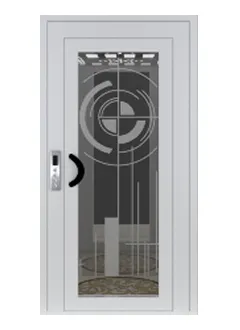
 Personalizar pedidoTipo de tracción Villa AscensorAscensor doméstico de tracción: Sin cuarto de máquinas, ahorra costes. Utiliza contrapeso/estilo de pórtico, se adapta a los tipos de puertas de casa. Accionamiento VVVF para un desplazamiento suave
 Spanish
 English
 French
 German
 Russian
 Portuguese
 Dutch
 Arabic
 Czech
 Japanese
 Korean