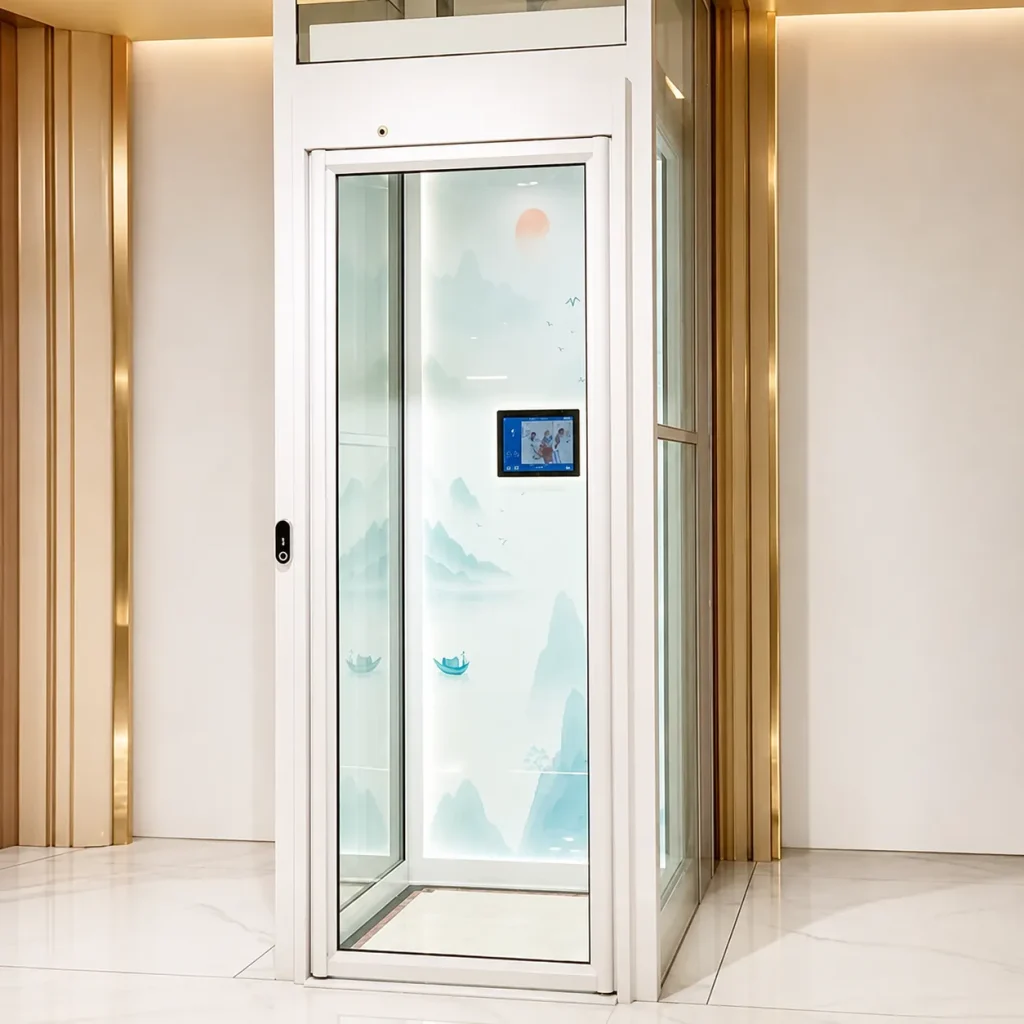
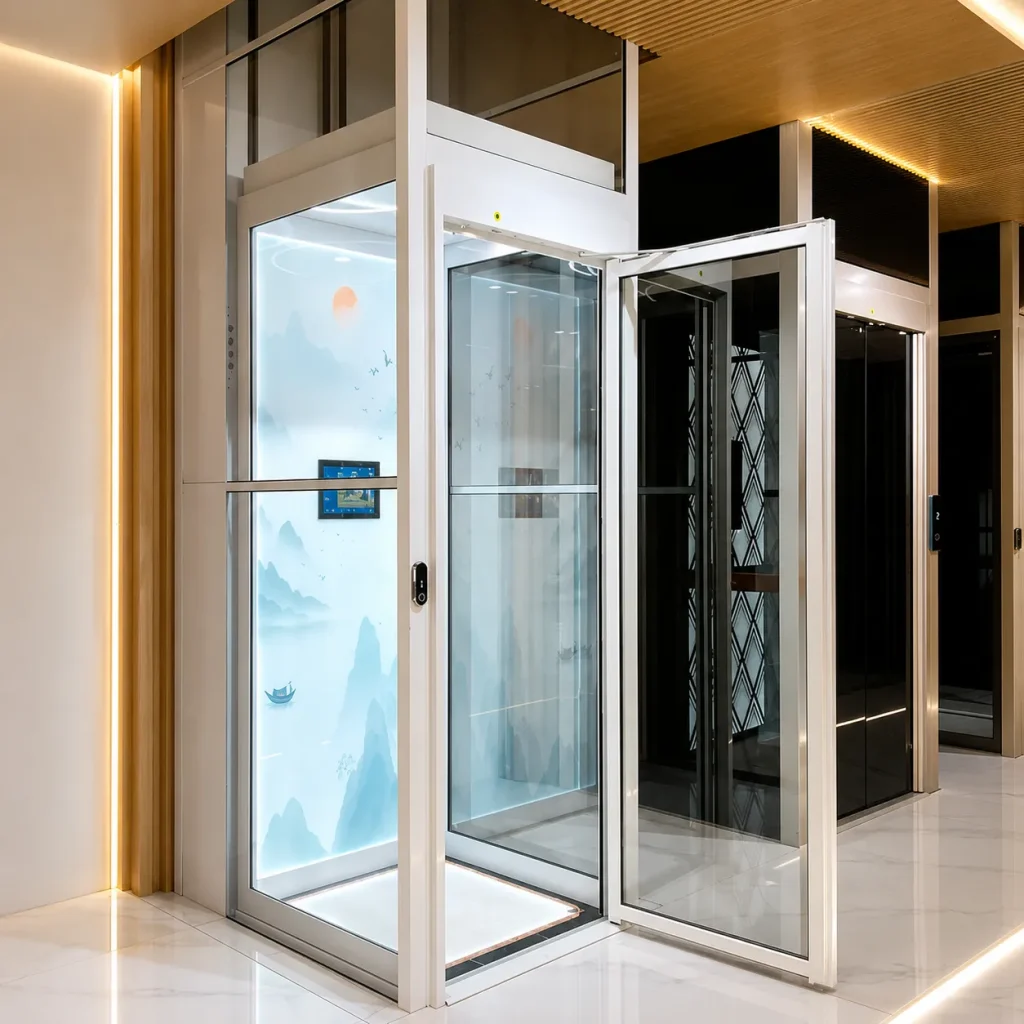
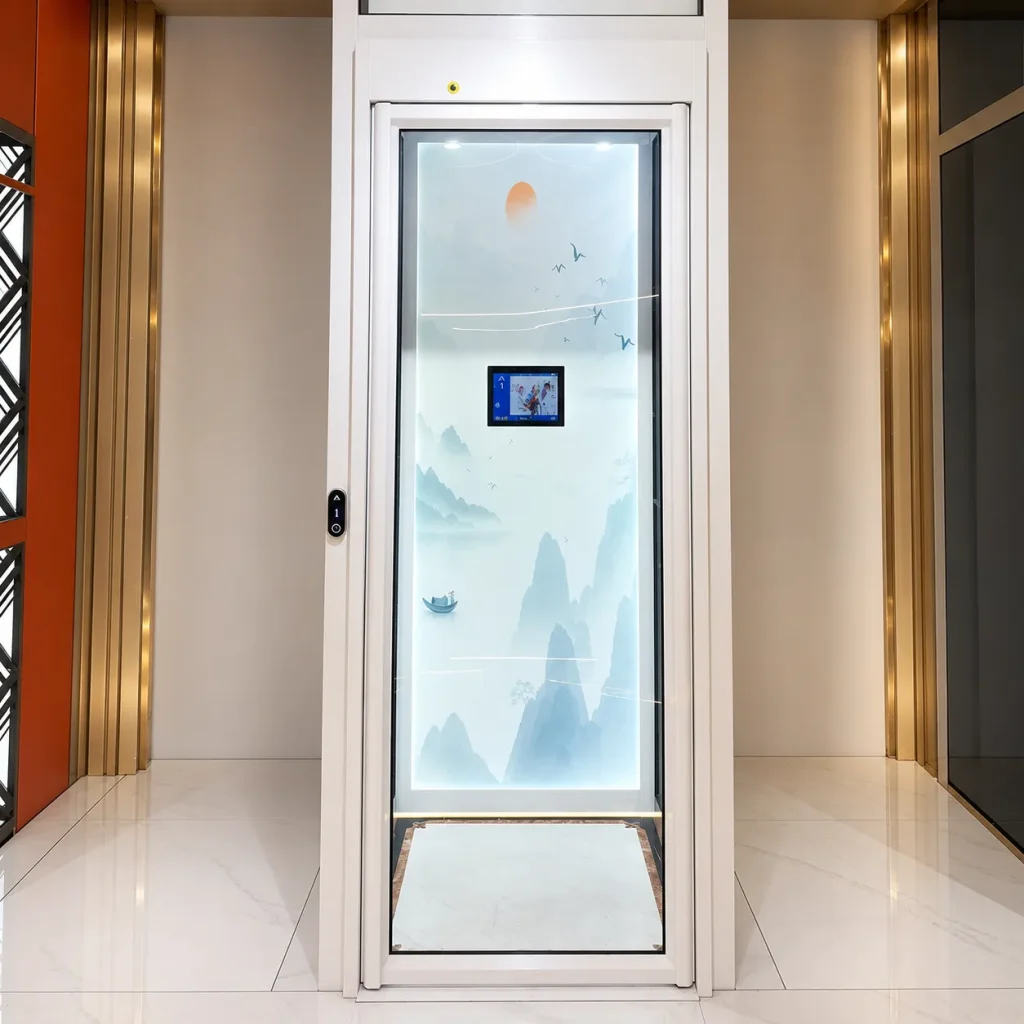
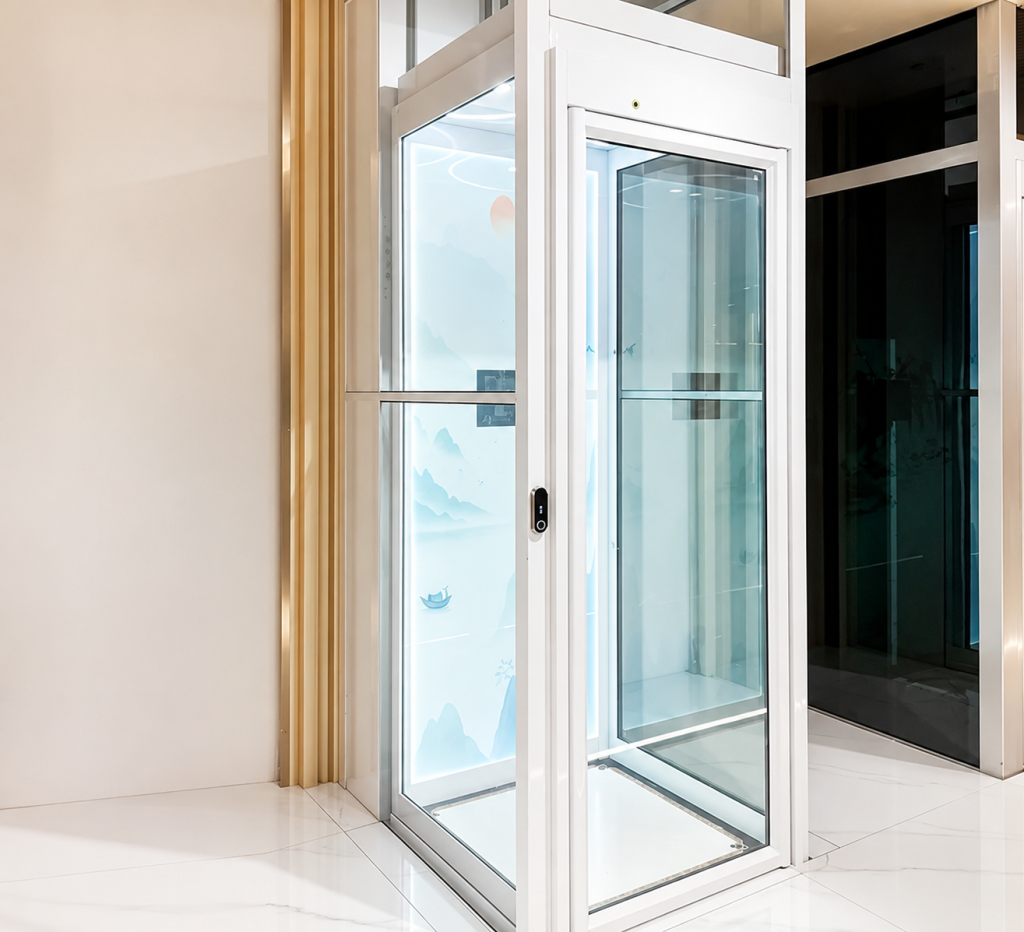
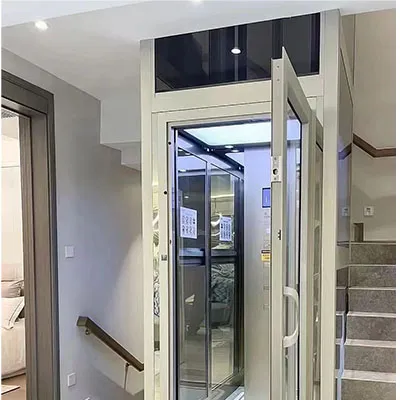
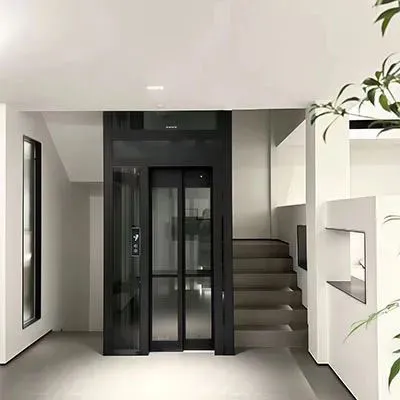
Hydraulicky poháněný obytný výtah pro vily využívá špičkové válce, čerpadla a ovládací ventily. Jeho vysoce přesný proporcionální ventil by měl mít plynulou stabilní plynulou regulaci rychlosti.
Hydraulic Home Villa Elevator: A Practical Guide for Luxury Residential Projects
A villa elevator should feel safe, quiet, and elegant. Yet many projects face tight space, unclear specifications, and buyer concerns about maintenance. A hydraulic home villa elevator solves these problems with smooth lifting, flexible installation, and strong customization for private residential buildings.
A hydraulic home villa elevator is a private residential lift powered by a hydraulic drive system. It is commonly used in villas, luxury homes, townhouses, and private residential projects where stable movement, compact structure, quiet operation, and customized cabin design are important. For developers, contractors, architects, and distributors, it offers a practical balance of comfort, safety, and design freedom.
What Is a Hydraulic Home Villa Elevator?
A hydraulic home villa elevator is a private lift designed for low-rise residential buildings. It moves the cabin by using hydraulic power, usually through a pump, oil cylinder, controller, and lifting structure. Unlike public commercial elevators, a villa elevator focuses on comfort, space efficiency, low noise, beautiful cabin design, and easy use for family members.
In the high-end residential market, buyers do not only ask, “Can it move between floors?” They ask deeper questions. Is it safe for seniors? Can it match the interior design? Does it fit a narrow shaft? Can the supplier support long-term projects? These questions matter to villa developers, home elevator distributors, construction contractors, architects, and design studios.
At Jiade (Shandong) Elevator Co., Ltd., we see the hydraulic villa elevator as more than a machine. It is part of the home. It must work smoothly every day, look natural in the building, and give users a sense of trust each time they step inside.
Why Are Hydraulic Villa Elevators Popular in High-End Homes?
Hydraulic villa elevators are popular because they offer stable lifting, flexible layout, and strong load performance. For many private homes, especially villas with 2 to 5 floors, the elevator does not need very high speed. What matters more is soft start, smooth stop, low vibration, and safe daily operation.
For B2B buyers, this creates a clear advantage. A hydraulic home elevator can serve different residential projects without forcing every building to follow the same layout. It can be used in new villas, renovated homes, luxury residences, private clubs, duplex apartments, and senior-friendly homes.
A villa elevator is often a lifestyle feature. It improves daily movement, supports aging in place, and adds value to the property. For luxury home buyers, convenience and safety are no longer optional. They are expected.
How Does a Hydraulic Home Elevator Work?
A hydraulic home elevator uses a hydraulic power unit to push oil into a cylinder. This creates pressure and moves the elevator car upward. When the elevator goes down, the system controls the oil return, allowing the cabin to descend smoothly. The process is simple to understand, which is one reason many residential project buyers like it.
The main parts usually include the elevator cabin, guide rail, hydraulic cylinder, pump station, control cabinet, safety system, landing doors, and operation panel. Each part must work together. If one part is weak, the whole user experience suffers.
A simple flow looks like this:
User presses button
↓
Controller receives signal
↓
Hydraulic pump starts
↓
Oil pressure lifts cylinder
↓
Cabin moves smoothly
↓
Safety system monitors travel
↓
Elevator stops at selected floor
For homeowners, the result feels simple: press, ride, arrive. For professional buyers, the hidden value is in engineering control. A good hydraulic home villa elevator should have reliable leveling, stable pressure control, emergency lowering, door protection, and clear maintenance access.
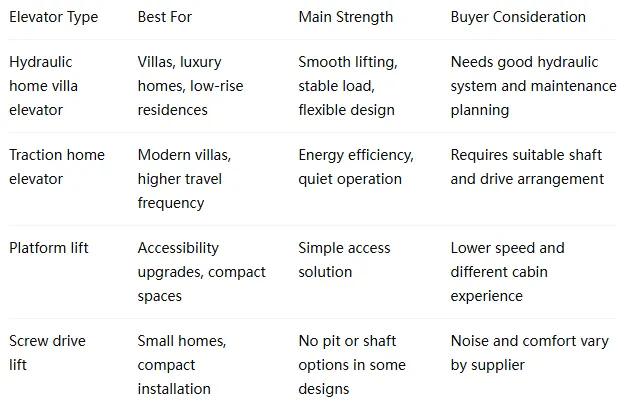
Hydraulic vs Traction vs Platform Home Elevators: Which Is Better?
There is no single best elevator for every residential project. The right choice depends on building height, shaft space, expected use, budget, local code, and design needs. Hydraulic elevators, traction elevators, and platform lifts each have different strengths.
For low-rise villas, hydraulic elevators are often chosen for comfort and layout flexibility. Traction elevators are also popular, especially when higher speed or energy efficiency is required. Platform lifts may suit very limited spaces or accessibility-focused projects, but they may not always provide the same luxury cabin feeling.
For B2B buyers, the best answer is not only technical. It is commercial. If your market prefers premium decoration, glass cabins, quiet travel, and long-term reliability, choose a manufacturer that can provide different drive systems and help you match each project.
Jiade supports hydraulic, traction, and platform-style home elevator solutions, so overseas partners can select the right model based on local market demand rather than forcing one product into every building.
What Safety Features Should a Villa Elevator Include?
Safety is the core of any home elevator project. A villa elevator may look elegant, but its real quality is proven by the safety system behind the panels. Buyers should check both mechanical safety and electrical safety before choosing a supplier.
Important safety features may include emergency stop, emergency lowering, door lock protection, overload protection, power failure protection, limit switches, anti-fall protection, alarm system, intercom or emergency communication, light curtain or door protection, and stable control logic.
A strong safety configuration should answer these questions:
Can the elevator stop safely during abnormal operation?
Can users exit safely during a power failure?
Are landing doors locked when the cabin is not present?
Is there protection against overload?
Does the system prevent unsafe door opening?
Is the cabin stable during start and stop?
Is maintenance access clear for technicians?
For residential elevators, child safety also deserves attention. The U.S. Consumer Product Safety Commission has warned about dangerous gaps between exterior landing doors and interior elevator car doors in some home elevators. This shows why door design, installation accuracy, and inspection should never be treated as small details.
Professional buyers should also pay attention to applicable standards in target markets. References such as ASME A17.1, ISO 8100-1, and regional lift directives are important starting points. Local regulations may vary, so final compliance should always be confirmed with local authorities, inspectors, and project engineers.
How Much Space Does a Hydraulic Home Villa Elevator Need?
Space planning is one of the first questions in a villa elevator project. Many luxury homes want an elevator, but the available space may be limited. Some projects have a prepared shaft. Others need a compact structure, glass shaft, or customized layout.
A hydraulic home villa elevator can often be designed with flexible dimensions. Still, buyers should prepare clear project information before asking for a quotation. This helps the manufacturer recommend the right structure and avoid mistakes later.
Project Detail: Why It Matters
Number of floors: Defines travel height and stop quantity
Shaft size: Determines cabin size and door type
Pit depth: Affects structure and installation plan
Overhead height: Impacts top clearance and safety design
Load capacity: Usually based on users, wheelchair access, or home use
Door opening direction: Important for layout and interior flow
Power supply: Must match local electrical conditions
Decoration style: Helps select cabin material, glass, lighting, and color
A good supplier should not simply send a price list. They should ask for drawings, photos, shaft dimensions, and project requirements. For overseas distributors and contractors, this technical support is valuable because it reduces communication errors with end users.
What Customization Options Matter for Luxury Residential Projects?
Luxury residential buyers care about appearance. The elevator must match the home, not look like an industrial machine. This is why customization is a major selling point in the villa elevator market.
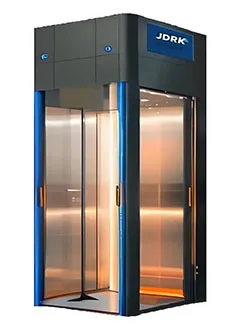
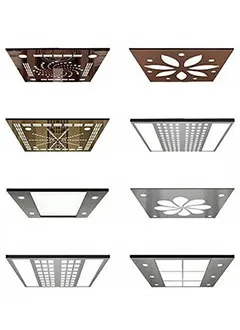
Common customization options include cabin size, stainless steel finish, glass panels, observation cabin, panoramic shaft, door style, ceiling design, floor material, handrail, lighting, control panel, color, decorative pattern, and smart operation options.
Popular styles include:
Modern minimalist: clean lines, stainless steel, soft lighting
Luxury glass: panoramic cabin and transparent shaft
Classic villa style: warm colors, decorative panels, elegant ceiling
Architectural integration: design matched with stairs, lobby, or atrium
For architects and interior design studios, the elevator is part of the visual story. A glass hydraulic villa elevator can become a design highlight. A quiet enclosed cabin can blend into a private home. The key is to balance beauty with safety, comfort, and maintainability.
At Jiade, we focus on project-based customization. This means we support different dimensions, cabin finishes, glass options, and decorative solutions for overseas residential markets. For B2B partners, this helps build a stronger product portfolio instead of selling one standard model repeatedly.
What Should Architects and Contractors Know Before Installation?
Architects and contractors should consider the elevator early in the design stage. If the shaft, pit, overhead, and power supply are planned too late, the project may face redesign, cost increases, or limited elevator options.
Before installation, the project team should confirm:
Building structure and shaft position
Floor-to-floor height
Total travel height
Pit and overhead conditions
Door opening direction
Electrical supply
Decoration interface
Delivery access to the site
Local inspection requirements
Maintenance access after installation
A common mistake is focusing only on cabin size. The cabin is important, but the full system needs space. Guide rails, doors, control cabinet, hydraulic unit, safety clearance, and maintenance area all matter.
For renovation projects, communication is even more important. Existing villas may have limited space or finished decoration. In these cases, a glass shaft or compact layout may help. The supplier should review drawings carefully and provide practical suggestions before production.
How Can Jiade Support Overseas Villa Elevator Projects?
Jiade serves professional B2B buyers in Europe, North America, the Middle East, Australia, and selected emerging markets. Our overseas customers often include villa developers, luxury residential builders, home elevator distributors, agents, contractors, architects, interior design companies, and engineering solution providers.
These buyers usually care about five things: safety, stability, customization, compliance support, and long-term cooperation. They do not want a one-time supplier. They want a manufacturing partner who understands residential elevator projects and can help them win future orders.
Our goal is simple: help partners deliver safe, elegant, and reliable home elevator solutions to their local markets. When your customers trust the elevator, they trust your brand too.
Nejčastější dotazy
Is a hydraulic home villa elevator suitable for luxury homes?
Yes. A hydraulic home villa elevator is suitable for many luxury homes, villas, townhouses, and low-rise private residences. It provides smooth movement, flexible layout, and strong customization options for cabin design, glass, lighting, and decoration.
How many floors can a hydraulic villa elevator serve?
Most hydraulic villa elevators are used in low-rise residential buildings, often from 2 to 5 floors. The exact range depends on travel height, load capacity, local standards, and the manufacturer’s design. Buyers should provide drawings before confirming the model.
Is a hydraulic home elevator safe for seniors?
A properly designed and installed hydraulic home elevator can improve daily mobility for seniors. Important features include smooth leveling, handrails, anti-slip flooring, emergency lowering, door protection, clear buttons, and reliable communication functions.
Does a villa elevator need a machine room?
Some hydraulic villa elevator designs may use compact machine-room or machine-room-less arrangements, depending on the structure and project requirements. The best option should be confirmed based on shaft space, layout, power supply, and maintenance access.
Can the cabin be customized for interior design?
Yes. Cabin size, wall panels, glass, stainless steel finish, lighting, ceiling, floor, handrail, and control panel can often be customized. This is important for architects, villa developers, and interior design studios working on high-end residential projects.
How should overseas distributors choose a home elevator supplier?
Distributors should choose a supplier with stable manufacturing, technical support, customization ability, export experience, OEM/ODM support, and long-term spare parts cooperation. For mid- to high-end markets, safety and reliability are more important than the lowest price.

 Přizpůsobit objednávkuTrakční typ výtahuTrakční domácí výtah: Žádná strojovna, úspora nákladů. Používá protizávaží/gantry styl, hodí se k typům domovních dveří. Pohon VVVF pro hladkou jízdu
 Czech
 English
 French
 German
 Russian
 Spanish
 Portuguese
 Dutch
 Arabic
 Japanese
 Korean