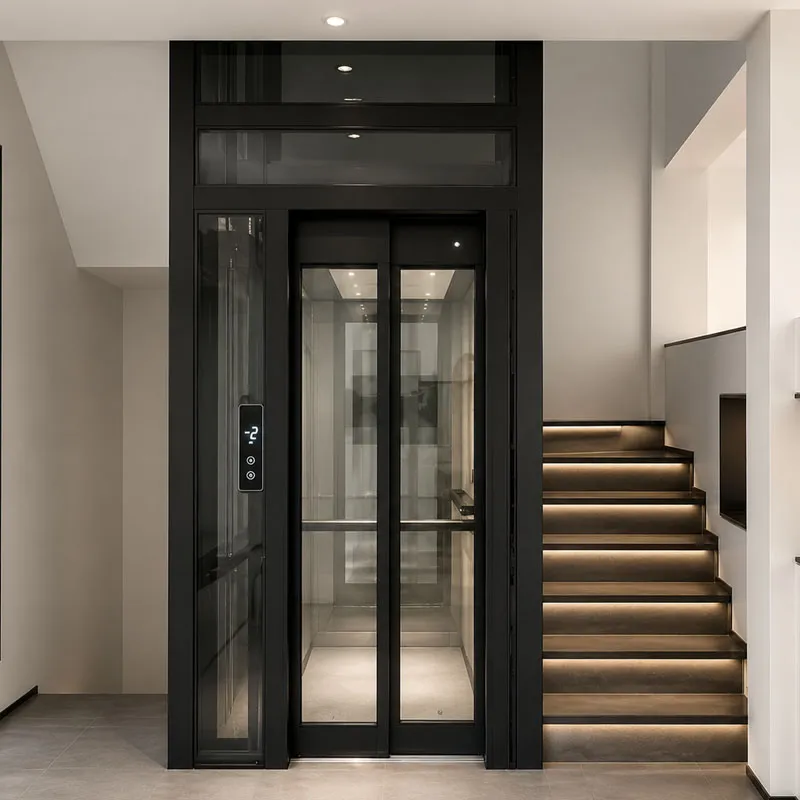
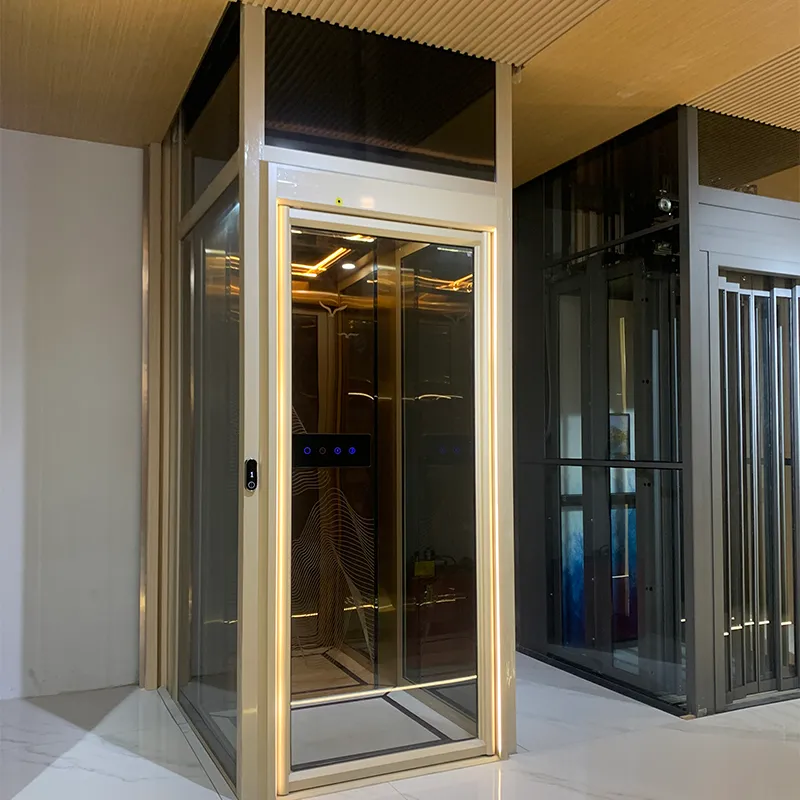
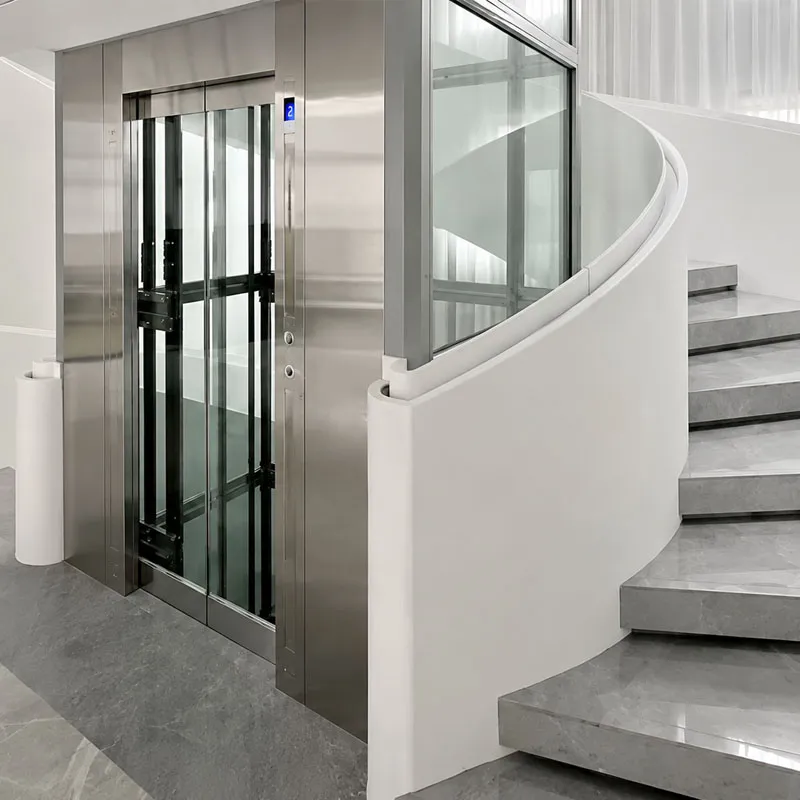
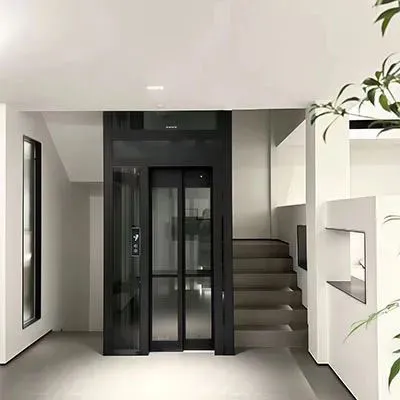
Hydraulicky poháněný obytný výtah pro vily využívá špičkové válce, čerpadla a ovládací ventily. Jeho vysoce přesný proporcionální ventil by měl mít plynulou stabilní plynulou regulaci rychlosti.
Hydraulic vs Traction Elevator: Which Fits Your Home?
Jiade (Shandong) Elevator Co., Ltd. Technical Team | JDRK Product Team | Published: August 19, 2026
A hydraulicelevatorneeds a small power unit near the shaft and works well where ceiling clearance is tight, while a traction elevator runs on a lighter steel-belt drive that suits taller multi-floor homes with a bit more headroom. The right choice depends on your building’s pit depth, top clearance, and available power supply — not on which technology is “newer.”
Why This Comparison Reads Differently for a House Than for an Office Tower
Most hydraulic-vs-traction guides online are written for commercial buildings and high-rises, where the deciding factors are ride speed over ten-plus floors, passenger volume, and machine-room square footage in a leased building. A homeowner or villa builder is working with a different set of constraints: a 2–3 story shaft, a fixed pit depth already poured (or not poured yet), single-phase household power, and a strong preference against a dedicated machine room eating into a spare bedroom or attic. The two technologies still trade off the same way — pressure versus rope, no counterweight versus counterweight-free steel belt — but the deciding variable in a home is almost always shaft geometry, not throughput.
Hydraulic Elevators: How the JDRK Home/Villa Unit Works
JDRK’s Home/Villa Hydraulický výtah lifts the cabin using pressure from an imported high-precision proportional valve and lowers it by gravity, with stepless speed regulation rather than fixed gear steps. Because there’s no counterweight system, JDRK states the shaft can reach roughly 70% space utilization — more of the shaft footprint goes to actual cabin space instead of counterweight rails.
Key numbers that matter for a retrofit:
No machine room required, but the site needs a minimum of about 2,600 mm of top-floor clearance above the highest landing.
Pit depth can go as shallow as 150 mm, and zero-pit configurations are available for sites where excavation isn’t practical.
The smallest customizable shaft size is around 1,100 × 1,100 mm.
Safety layer includes a light curtain, overspeed governor, safety gear, a one-touch emergency call dial, and an ARD (Automatic Rescue Device) for power-outage leveling.
The trade-off: hydraulic systems rely on that proportional valve and a small oil reservoir, which is a mechanical component with its own maintenance rhythm — not a “no equipment at all” system, even though it removes the overhead machine room.
Traction Elevators: How the JDRK Villa Unit Works
Na stránkách Trakční typ výtahuuses a permanent-magnet synchronous machine paired with a polyurethane steel-belt in a machine-room-less backpack or gantry layout, driven by a VVVF variable-frequency controller. JDRK specifies this belt as lubrication-free with 2–3x the service life of a traditional steel wire rope, which changes the maintenance conversation compared with older traction designs.
Key numbers:
Runs on standard 220V single-phase household power, with total consumption around 1.5 kW (1.1 kW of that is the traction drive itself).
Built-in UPS handles ARD auto-leveling if the power cuts out mid-ride.
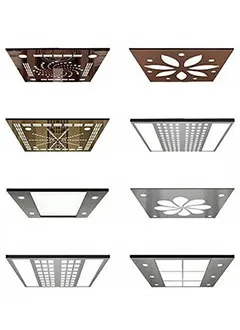
Cabin finish options include panoramic round glass and minimalist styles, among other variants.
Machine-room-less, but it is still a rope/belt-and-counterweight system, so shaft space isn’t as fully reclaimable as a counterweight-free hydraulic setup.
The trade-off: because a counterweight is still part of the system, the shaft needs to account for that travel path, which narrows the usable cabin footprint compared with a hydraulic unit of the same outer shaft dimension.
Hydraulic vs Traction — Side-by-Side
Dimension
Hydraulic Domestic Elevator
Trakční typ výtahu
Drive mechanism
Proportional valve, pressure up / gravity down
Permanent-magnet synchronous motor, steel-belt
Strojovna
Not required
Not required (backpack/gantry)
Minimum top clearance
~2,600 mm
Not specified in current spec sheet — confirm per project
Minimum pit depth
~150 mm; zero-pit option available
Not specified in current spec sheet — confirm per project
Counterweight
None — up to ~70% shaft utilization
Yes — reduces usable cabin footprint vs. shaft size
Power supply
Not specified in current spec sheet — confirm per project
220V single-phase, ~1.5 kW total
Power-outage handling
ARD (automatické záchranné zařízení)
Built-in UPS + ARD auto-leveling
Maintenance profile
Oil reservoir and valve system need periodic service
Lubrication-free belt, rated 2–3x steel-rope life
Minimum shaft footprint
~1,100 × 1,100 mm
Not specified in current spec sheet — confirm per project
Where a spec isn’t published for one product line, that’s flagged above rather than filled in — this table only reflects what JDRK discloses today.
The Trade-off Most Comparison Articles Skip
The common misconception is that “no machine room” means no mechanical equipment at all, so hydraulic and traction start to look interchangeable once you’ve ruled out a rooftop machine room. They aren’t. A hydraulic system’s proportional valve and oil reservoir still need a placement point near the shaft base, and that reservoir is a wear component with its own service interval — something a traction system’s motor-and-belt assembly doesn’t carry. Conversely, a traction system’s counterweight travels inside the shaft for the life of the elevator, which is dead space a hydraulic shaft doesn’t need to reserve. Neither system is simply “better” — they shift the space and maintenance cost to different places, and which one costs you less depends on whether your constraint is ceiling height or shaft width.
Which One Fits Your Site?
Measure the clearance above your top landing. If it’s near or under 2,600 mm, the hydraulic line is the one built around that limit; confirm the traction unit’s clearance requirement with JDRKdirectly, since it isn’t in the current published spec sheet.
Check your pit depth. A shallow or zero pit points toward the hydraulic elevator’s 150 mm-or-less option.
Confirm your available power. If you only have single-phase 220V and want a documented ~1.5 kW draw, the traction unit’s numbers are already published; ask for the hydraulic line’s power draw if that’s your limiting factor.
Decide how much shaft width you can spare. A counterweight-free hydraulic layout reclaims more of a narrow shaft; a traction layout needs to account for counterweight travel.
Weigh long-term maintenance against upfront mechanical complexity — oil/valve servicing versus a belt system JDRK rates for 2–3x the life of steel rope.
Certifications and Standards
Both product lines carry the same company-wide certification marks: SGS, SGC, SGRZ, CNCA, CNAS, and ISO 9001, a globally recognized quality management system standard. Product pages also reference CE marking (the EU’s conformity standard) and ASME, the American Society of Mechanical Engineers’ equipment standards body. Certificate numbers and issuing-body registration details aren’t published on the current site, so treat these as company-stated compliance claims rather than independently verifiable certificate records until confirmed.
Pricing
JDRK does not publish pricing for either the hydraulic or traction line — every product page routes to a quote request instead of a listed price. If budget is your first filter, request a quote with your shaft dimensions, pit depth, and top clearance already measured; that’s the information JDRK’s team needs to price a residential unit accurately.
FAQ
Q: Does a traction elevator always need more headroom than a hydraulic one?
A: Not necessarily — headroom depends on the specific machine-room-less design, not the drive type alone. JDRK’s traction clearance figure isn’t published yet, so this needs project-specific confirmation rather than a general rule.
Q: Can a hydraulic elevator go in a home with no pit at all?
A: JDRK offers a zero-pit configuration for the Home/Villa Hydraulický výtah, alongside a shallow-pit option down to about 150 mm, so a pitless install is possible depending on the site.
Q: Which one uses less power day-to-day?
A: JDRK publishes the traction unit’s draw at roughly 1.5 kW total on standard 220V single-phase power. The hydraulic unit’s power draw isn’t in the current spec sheet, so a direct comparison needs a quote request.
Q: Is a machine room ever required for either type?
A: No — both JDRK lines are machine-room-less by design, using either a proportional valve system (hydraulic) or a backpack/gantry motor mount (traction) instead of a rooftop plant room.
If you already have your shaft measurements, JDRK’s team can confirm which drive type fits before you finalize the retrofit plan.

 Přizpůsobit objednávkuTrakční typ výtahuTrakční domácí výtah: Žádná strojovna, úspora nákladů. Používá protizávaží/gantry styl, hodí se k typům domovních dveří. Pohon VVVF pro hladkou jízdu
 Czech
 English
 French
 German
 Russian
 Spanish
 Portuguese
 Dutch
 Arabic
 Japanese
 Korean