Hydraulic Home Villa Elevator: A Smart Home Elevator Solution for Modern Villas
Many villa owners want safer floor-to-floor access, but they worry about space, construction work, and long-term safety. A poor elevator choice can waste money and damage the home design. A well-planned hydraulic home elevator solves these problems with comfort, stability, and flexible installation.
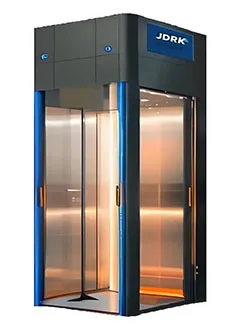
A hydraulic home villa elevator is a compact residential elevator designed for private villas, duplex homes, and low-rise houses. It uses hydraulic power to move the cabin smoothly between floors, making it a practical home elevator option for families, seniors, and luxury residential projects that need safe vertical mobility.
What Is a Hydraulic Home Villa Elevator?
A hydraulic home villa elevator is a private passenger elevator designed for residential use. It is commonly used in villas, duplex homes, townhouses, small apartment buildings, and luxury home projects. Unlike large commercial elevator systems, this type of home elevator focuses on quiet movement, compact structure, easy installation, and elegant design.
The main job is simple: move people safely between floors. But for a modern villa, an elevator is not only a machine. It is also part of the home’s comfort, layout, and appearance. A well-designed villa elevator can improve daily living for families, children, seniors, and people with mobility needs.
For B2B buyers such as developers, contractors, architects, and distributors, a hydraulic elevator offers a strong balance between cost, comfort, and design flexibility. It can be used as a house elevator, home lift, passenger lift, or residential passenger lift depending on the project language and local market.
Why Is a Hydraulic Home Elevator Popular for Villas?
A hydraulic home elevator is popular because it works well in low-rise buildings. Many villas only need an elevator 2 to 4 floors, so a large commercial-style system is often unnecessary. A small hydraulic solution can meet the need without taking too much space.
For private homes, comfort matters. Hydraulic movement is smooth and steady, especially during start and stop. This helps create a calm ride experience. For families looking for home elevators and lifts, this is a major advantage because the elevator becomes part of everyday life, not just a technical device.
Another reason is installation flexibility. Many homes cannot accept deep pits, large machine rooms, or heavy structural changes. A compact hydraulic lift can often be designed with lower civil construction requirements. This makes it useful for new villas, renovation projects, and existing residential buildings.
How Does a Hydraulic Lift for Home Work?
A hydraulic lift for home uses a pump, oil cylinder, control valve, and electrical control system. When the elevator goes up, the pump pushes hydraulic oil into the cylinder. The cylinder then moves the cabin upward. When the elevator goes down, the system controls the oil return and lets the cabin move down smoothly.
This simple working principle helps the elevator system stay stable. It also gives the lift elevator good control at low speed. In a private home, that means less shaking, softer stopping, and a more comfortable passenger elevator lift experience.
For many villa projects, the drive system is chosen based on space, floor height, usage frequency, and project budget. Hydraulic systems are especially suitable for low-rise residential use. For 2-5 floors, a hydraulic vertical solution can be a practical choice when the buyer wants comfort and simple maintenance.
Hydraulic Villa Lift vs. Traction Elevator: Which Is Better?
Both hydraulic and traction elevator types can be used in villas. The better choice depends on the building structure, number of floors, design style, and buyer expectations. A hydraulic villa lift is often preferred for low-rise homes because it is stable, compact, and suitable for flexible installation.
A traction elevator uses ropes or belts, a motor, and a counterweight system. It can be very energy-efficient and is often used in modern residential elevator projects. A traction drive can be suitable when the building has the right shaft space and the buyer wants a machine-room-less layout.
Where Can a Residential Lift Be Installed?
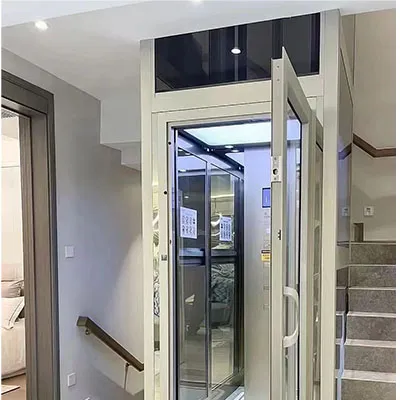
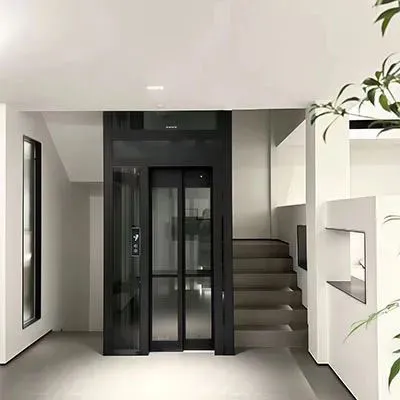
A residential lift can be installed in many parts of a villa or private home. Common places include the stairwell center, beside the staircase, a corner of the living room, an outdoor shaft, or a newly built glass shaft. This flexibility makes the elevator useful for both new construction and renovation.
For a small home elevator, space planning is very important. In a small house, every square meter matters. A compact elevator small home lift design can help owners add vertical mobility without making the house feel crowded. For larger villas, the elevator can become a design highlight, especially with glass, lighting, and decorative cabin options.
Typical installation scenarios include:
Indoor outdoor shaft installation
Stair-center installation
Corner installation
Balcony-side installation
Existing shaft installation
New steel or glass shaft installation
Floor opening installation for a 3 floor home or 4 floors hydraulic project
For an elevator for house projects, the supplier should review the building drawings first. If the project is a renovation, photos and measurements are also useful. This helps avoid mistakes in shaft size, door direction, elevator floor layout, and cabin dimensions.
What Customization Options Are Available for a Villa Elevator?
Customization is one of the biggest reasons buyers choose a private villa lift instead of a standard public elevator. A home is personal. The elevator should match the interior design, not look like a hotel service elevator.
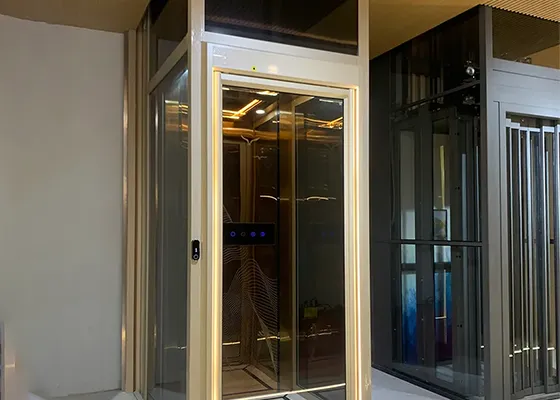
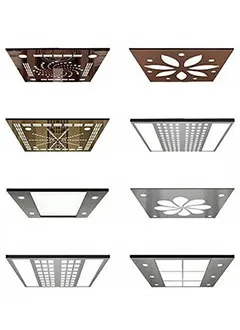
Common customization options include cabin size, cabin color, door style, glass panels, ceiling design, elevator floor material, handrail, lighting, control panel, and landing door. For luxury home projects, buyers may request a panoramic glass elevator, stainless steel cabin, wood-grain finish, mirror panel, or soft lighting design.
A panoramic glass home lift elevator can make the elevator feel lighter and more open. For high-end homes, floor glass, panoramic glass, and modern design features can help the elevator blend with the architecture.
How Safe Is a Hydraulic Residential Lift for Seniors?
Safety is the most important part of any مصعد سكني. This is especially true for home elevators for seniors, children, and people with limited mobility. A good home elevator should include multiple protection systems, not just a beautiful cabin.
Safety features may include emergency stop, alarm system, backup power, automatic rescue device, door protection, safety light curtain, overload protection, speed protection, and emergency leveling. For a residential passenger elevator, these systems help reduce risk during power failure, door movement, or abnormal operation.
Safety also depends on installation quality and maintenance. In North America, ASME explains that A17.1/CSA B44 covers requirements for the design, construction, installation, operation, inspection, testing, maintenance, alteration, and repair of elevators and related equipment. The U.S. Consumer Product Safety Commission has also warned about child entrapment hazards in some residential elevators, especially where unsafe gaps exist between hoistway doors and elevator car doors.
For B2B buyers, this means one thing: never choose a supplier only by price. Ask about safety design, installation guidance, technical drawings, testing, documentation, and after-sales support.
How to Choose a Reliable Home Elevator Supplier?
Choosing the right supplier is just as important as choosing the elevator. A good supplier should understand residential projects, not only sell machines. For villa developers, contractors, architects, and distributors, the right partner can reduce risk and improve project delivery.
A professional home elevator supplier should offer design support, technical drawings, OEM/ODM customization, factory-direct production, export packaging, installation guidance, and after-sales service. For international B2B buyers, communication speed and engineering support matter a lot.
When comparing residential elevator companies, check these points:
Do they specialize in home and villa elevators?
Can they support hydraulic, traction, and platform solutions?
Can they customize cabin size and appearance?
Can they provide drawings before production?
Do they understand export packaging and shipping?
Can they support long-term spare parts supply?
Do they provide clear answers about safety and maintenance?
Can they help with private label or distributor cooperation?
Jiade (Shandong) Elevator Co., Ltd.focuses on high-end home elevators and villa elevators. For overseas buyers, the value is not only the product. It is the complete solution: design, manufacturing, customization, testing, delivery, and long-term cooperation.
What Makes a Hydraulic Villa Elevator Good for B2B Buyers?
For B2B buyers, an elevator is not a one-time product. It is part of a project. A contractor needs correct drawings. A distributor needs stable quality. A developer needs smooth delivery. An architect needs design flexibility. An engineering company needs reliable technical support.
That is why a good hydraulic home elevator should offer more than movement between floors. It should come with clear communication, project-based customization, and stable manufacturing control. This is where a factory-direct supplier becomes valuable.
For villa residential projects in Europe, North America, the Middle East, Australia, and emerging markets, buyers usually care about:
Product safety
Smooth passenger lift operation
Custom cabin and shaft design
Factory production ability
Stable quality control
OEM/ODM support
Export documentation
Long-term cooperation potential
A reliable home elevator manufacturer helps buyers reduce hidden risks and improve customer satisfaction.
الأسئلة الشائعة
What is the difference between a hydraulic home elevator and a traction home elevator?
A hydraulic home elevator uses a hydraulic cylinder and pump system to move the cabin. A traction elevator uses ropes or belts, a motor, and a counterweight. Hydraulic systems are often suitable for low-rise villas, while traction systems can be suitable for projects that need high efficiency and a different shaft layout.
Is a hydraulic home villa elevator suitable for seniors?
Yes. A hydraulic home villa elevator can be a good choice for seniors because it offers smooth movement, easy access, and safer floor-to-floor travel. For home elevators for seniors, buyers should focus on door protection, emergency rescue, backup power, cabin size, and easy-to-use controls.
How many floors can a hydraulic villa lift serve?
Many hydraulic villa lift projects are used for 2-5 floors. A common project may include elevator 2 stops, a 3 floor home layout, or 4 floors. The final design depends on travel height, cabin size, load, shaft structure, and local project requirements.
Can a hydraulic home elevator be installed in an existing house?
Yes, many house elevators can be installed in existing homes if the structure allows it. The supplier should check available space, floor openings, shaft position, power supply, door direction, and installation access before confirming the design.
What affects the price of a residential elevator?
The price of a residential elevator depends on floors, travel height, cabin size, shaft type, door system, decoration, safety configuration, and shipping. For accurate home elevator cost, buyers should send drawings or site dimensions to the supplier.
Is a glass elevator suitable for a private villa?
Yes. A glass elevator or panoramic glass elevator is suitable for luxury villas and modern homes. It can improve light, space feeling, and interior appearance. It is often used in premium residential villa elevator projects.
Are hydraulic residential lifts quiet?
A silent hydraulic design can provide a comfortable and quiet ride when the pump system, guide rails, cabin structure, and installation are properly designed. Noise level also depends on site conditions and maintenance.
How do I choose the best home elevators for my project?
The best home elevators are not always the most expensive. Choose based on building structure, number of floors, user needs, safety features, decoration style, installation conditions, and after-sales support. For B2B projects, also check the supplier’s engineering ability and export experience.
Hydraulic Home Villa Elevator FAQ
Is a hydraulic home villa elevator suitable for existing villas?
Yes. A hydraulic home villa elevator can be planned for many existing homes because it supports compact shaft layouts, smooth operation and flexible installation conditions.
What should B2B buyers confirm before ordering?
Confirm shaft size, travel height, load capacity, door direction, local safety requirements and preferred cabin finishes before finalizing the elevator specification.

 تخصيص الطلبمصعد فيلا من نوع الجرمصعد الجر المنزلي: لا توجد غرفة ماكينة، يوفر التكاليف. يستخدم أسلوب الثقل الموازن/جسر العملاق، يناسب أنواع الأبواب المنزلية. محرك VVVVF لقيادة سلسة
 Arabic
 English
 French
 German
 Russian
 Spanish
 Portuguese
 Dutch
 Czech
 Japanese
 Korean