Hydraulic Elevator: How Hydraulic Elevators Work, Key Differences vs Traction Lifts, and the Right Choice for Modern Homes
Problem: Many homeowners and project planners struggle to choose the right elevator for villas and low-rise buildings.
Agitate: Wrong decisions can mean noise, wasted space, safety concerns, or high lifetime costs.
Solution: Understanding how a hydraulic elevator works—and how it compares to traction—clarifies the best fit.
Answer: A hydraulic elevator uses hydraulic fluid and a piston inside a cylinder to lift the elevator car smoothly and safely. It’s ideal for low-rise buildings and villas where space efficiency, comfort, and customization matter most.
What Is a Hydraulic Elevator and How Do Elevators Work?
A مصعد هيدروليكيis a type of elevator that relies on a hydraulic system rather than cables and counterweights. In simple terms, elevators work by moving an elevator car vertically to provide safe vertical transportation within a building.
Unlike a traction elevator, which uses a system of cables and a rotating sheave, hydraulic elevators are typically powered by hydraulic fluid and pressure. This makes them especially suitable for low-rise buildings, private homes, and villas where a smooth, quiet ride is essential.
As a manufacturer serving the mid- to high-end residential market, Jiade (Shandong) Elevator Co., Ltd. designs hydraulic solutions with safety, customization, and long-term reliability in mind—priorities shared by overseas B2B buyers across Europe, North America, the Middle East, and Australia.
How Does a Hydraulic Elevator Work Step by Step?
To understand hydraulic elevator work, imagine a simple but powerful mechanism:
An electric motor drives a hydraulic pump.
The pump forces oil into the cylinder.
Pressure pushes the piston, which lifts the lift car.
When it’s time to descend, a valve opens and allows fluid to flow back to the reservoir, gently lower the elevator.
This operation of a hydraulic system uses hydraulic oil for a controlled, quiet ascent and descent. Because the piston that travels inside the cylinder supports the weight of the lift car, the ride feels stable and secure.
Types of Hydraulic Elevators: Holed, Holeless, and Roped
There are types of hydraulic elevators designed for different site conditions:
Holed Hydraulic
Requires an elevator pit and a deep borehole.
The hydraulic piston moves inside a cylinder beneath the car.
Ideal where ground conditions allow drilling.
Holeless Hydraulic
Uses shorter pistons on the side of the cab.
Great when drilling isn’t possible.
Known as holeless hydraulic systems.
Roped Hydraulic
Combines a piston with cable assistance.
The piston attached to a sheave helps move the car.
Often called roped hydraulic for added travel height.
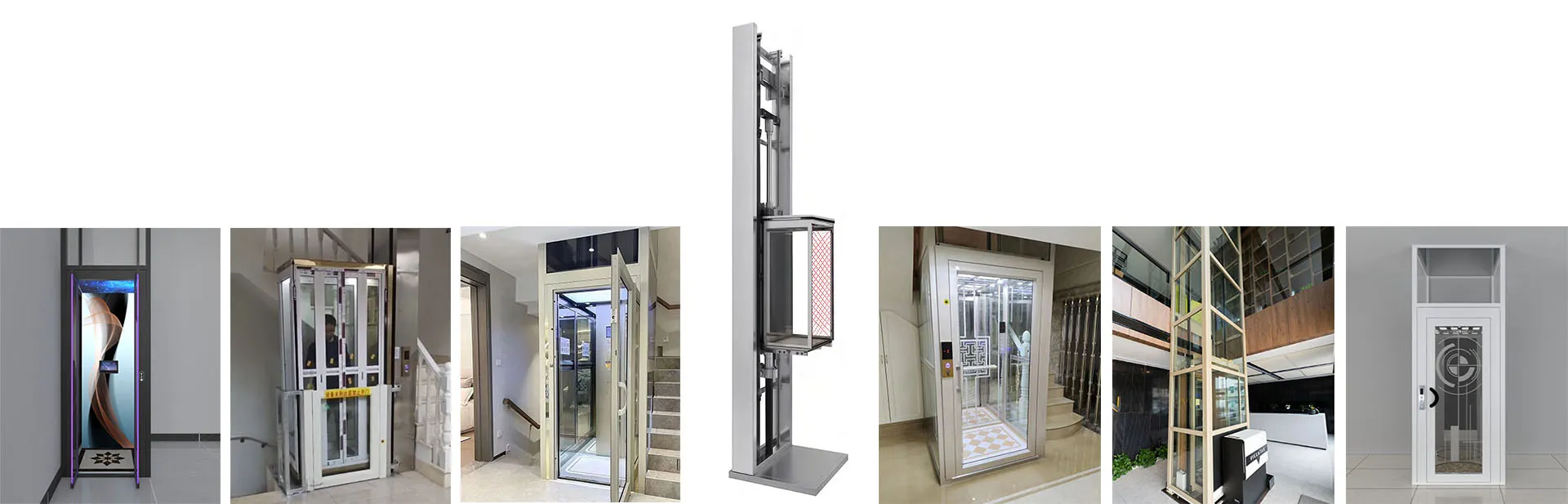
These configurations allow المصاعد الهيدروليكية are available for diverse villa layouts.
Benefits of Hydraulic Elevators for Homes and Villas
The benefits of hydraulic elevators are why many developers and designers choose them:
Smooth and quiet ride—perfect for residences.
Flexible installation with or without a separate machine room.
Strong lifting power for freight elevators or luxury cabins.
High safety due to simple mechanics and elevator safety controls.
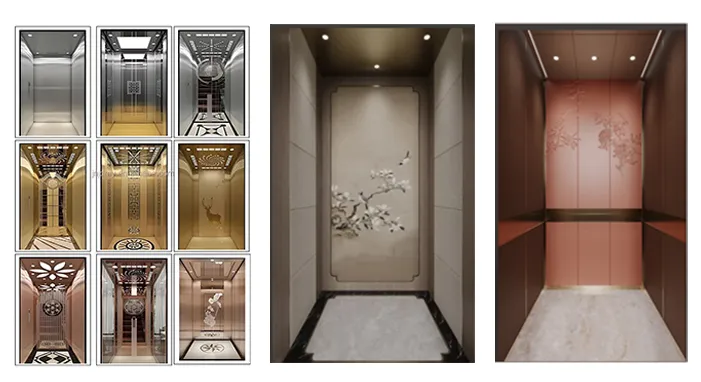
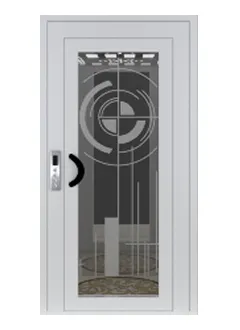
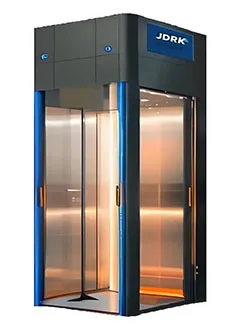
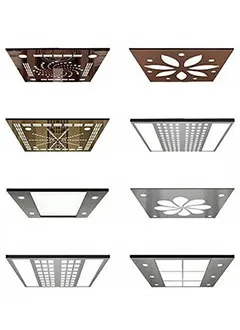
Hydraulic elevators offer excellent customization, from cabin finishes to doors and lighting. They are often available in a wide variety of sizes and styles to match architectural design.
A traction lift excels in tall buildings, while hydraulic elevators are a type favored for homes. Unlike traction, hydraulic lifts do not use a counterweight. Unlike hydraulic, traction systems rely on continuous cable movement.
Energy Efficiency, Safety, and Maintenance Requirements
Modern hydraulic elevator systems emphasize:
Optimized energy efficiency with smart valves.
Advanced elevator system controls for safety.
Predictable maintenance requirements thanks to fewer moving parts.
Hydraulic elevators also allow emergency lowering during power loss, adding peace of mind.
Choosing the Right Elevator for Your Project
Selecting the right elevator depends on:
Building height and travel distance.
Desired comfort and aesthetics.
Budget and lifecycle cost.
Ask whether hydraulic or traction better suits your needs. For villas, hydraulic lifts offer simplicity and comfort. For taller buildings found in high-rise buildings, traction systems may be better.
Why Work with a Professional Elevator Company?
A trusted elevator company delivers more than products:
OEM/ODM customization.
International compliance.
Long-term service support.
At Jiade (Shandong) Elevator Co., Ltd., we design hydraulic elevators use proven components and global standards to serve B2B partners seeking reliability and partnership. Contact us to discuss your project.
How do hydraulic elevators work in simple terms?
They use hydraulic pressure to move a piston that lifts the elevator car smoothly.
Are hydraulic elevators safe for homes?
Yes. With proper valves and controls, they meet strict elevator safety standards.
Where are hydraulic elevators typically used?
Hydraulic elevators are typically used in villas, private homes, and low-rise buildings.
What about maintenance?
They have straightforward maintenance requirements due to fewer mechanical parts.
Can hydraulic elevators be customized?
Absolutely. Cabins, doors, lighting, and finishes are fully customizable.
Are hydraulic elevators energy efficient?
For low-rise travel, modern systems deliver solid energy efficiency.

 تخصيص الطلبمصعد فيلا من نوع الجرمصعد الجر المنزلي: لا توجد غرفة ماكينة، يوفر التكاليف. يستخدم أسلوب الثقل الموازن/جسر العملاق، يناسب أنواع الأبواب المنزلية. محرك VVVVF لقيادة سلسة
 Arabic
 English
 French
 German
 Russian
 Spanish
 Portuguese
 Dutch
 Czech
 Japanese
 Korean