JDRK Product Team | Jiade (Shandong) Elevator Co., Ltd. | Published September 2026
Gearless traction elevators drive the cabin directly off a permanent-magnet motor with no gearbox between motor and sheave. Geared systems add a worm-gear reduction stage. For home installs, that single difference cascades into machine-room needs, noise levels, and long-term maintenance — not just a spec-sheet footnote.
Most technical breakdowns of this comparison are written for building engineers speccing a mid-rise commercial shaft. The mechanics don’t change for a home installation, but what matters about them does. A building engineer cares about gearbox torque curves; a homeowner cares about whether the elevator hums audibly next to a bedroom wall and how often a technician needs to show up.
What “Geared” and “Gearless” Actually Mean
A geared traction elevator uses an induction motor connected to the drive sheave through a worm-gear reduction box. The gearbox steps down motor speed and steps up torque, and it needs periodic oil lubrication to keep the gear teeth from wearing. This is the older of the two designs and historically the more affordable one to manufacture, which is why it dominated low- and mid-rise buildings for decades.
A gearless traction elevator removes the gearbox entirely. A permanent-magnet synchronous motor connects straight to the drive sheave, so there’s no gear mesh, no gear oil, and — because the motor itself does the work a gearbox and induction motor combination used to do — a physically smaller drive unit. ASME’s elevator and lift equipment standards, which cover both configurations, don’t mandate one design over the other; the choice comes down to building constraints and drive economics, not a safety hierarchy between the two.
Where JDRK’s Traction Villa Elevator Fits
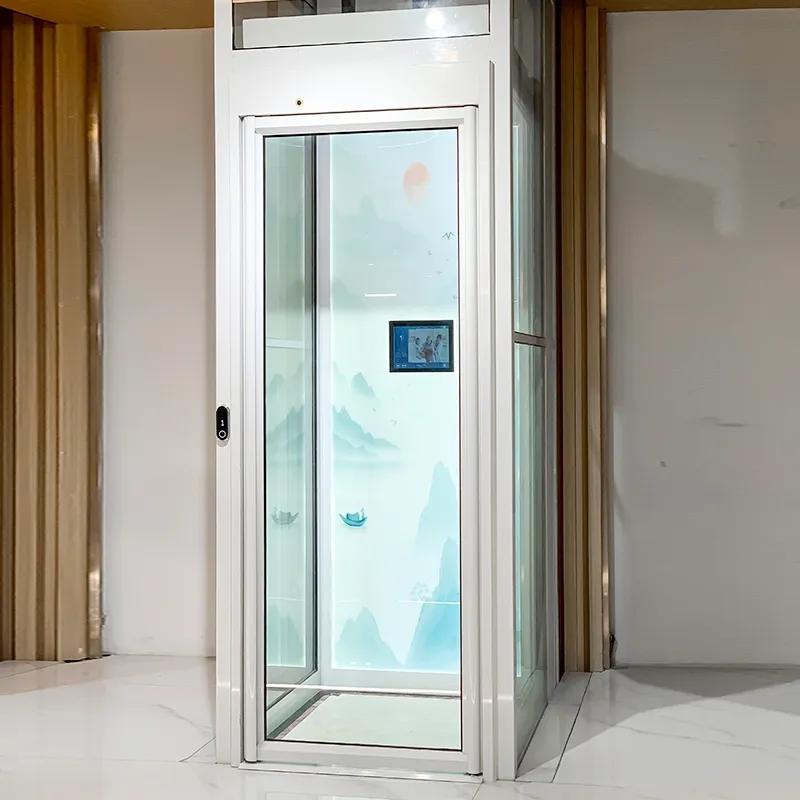
JDRK’s مصعد فيلا من نوع الجر runs on a permanent-magnet synchronous motor — the same motor category that defines a gearless system — paired with a polyurethane traction belt instead of a traditional steel wire rope. That belt is lubrication-free, which the company states gives it roughly 2 to 3 times the service life of a conventional wire-rope setup, and it’s driven by a VVVF (variable voltage variable frequency) controller for the speed regulation. The whole unit runs on standard 220V single-phase household power, with total consumption around 1.5kW, of which about 1.1kW goes to the traction drive itself.
None of that changes the core comparison — geared vs. gearless is still about the motor-to-sheave connection — but it’s the concrete answer to “which one is JDRK selling”: gearless, structurally, by way of the permanent-magnet motor and machine-room-less backpack or gantry mounting.
Comparison Table
Dimension
Geared Traction
Gearless Traction (JDRK’s category)
Motor-to-sheave connection
Worm-gear reduction box between induction motor and sheave
Permanent-magnet synchronous motor direct to sheave, no gearbox
غرفة الماكينة
Typically requires a dedicated machine room to house the gearbox and motor
Machine-room-less — JDRK’s line uses a backpack or gantry mount inside the shaft
Lubrication/maintenance
Gearbox needs periodic oil lubrication and gear-wear checks
No gearbox to lubricate; JDRK’s polyurethane belt is lubrication-free
Suspension medium
Typically steel wire rope
JDRK uses a polyurethane belt, stated at roughly 2–3x the service life of steel wire rope
Power draw
Higher, due to friction losses through the gear stage
Lower — JDRK’s unit totals about 1.5kW, ~1.1kW for the drive
Household power compatibility
Often needs higher-capacity circuits depending on motor size
JDRK’s line runs on standard 220V single-phase household power
Typical use case (industry-wide)
Historically low- to mid-rise buildings
Now common across building heights as gearless motors have become more compact and affordable
Common Misconception: “Geared Means Cheaper, Gearless Means Better”
This isn’t a strict upgrade path. Geared systems aren’t obsolete — they’re a different mechanical approach with a genuine maintenance trade-off (gearbox servicing) in exchange for historically lower manufacturing cost. Gearless removes that maintenance item but depends on the motor and controller electronics staying serviceable long-term, which is a different kind of dependency, not a categorically superior one. For a home installation specifically, the machine-room-less footprint that typically comes with gearless designs is usually the bigger practical factor than the drive mechanism itself — most villa retrofits don’t have room to spare for a dedicated machine room regardless of which drive type sits inside it.
Edge Case: Retrofitting an Existing Geared Shaft
If a property already has a shaft built around an older geared system — common in homes with a pre-existing lift platform or a decades-old installation — swapping to a gearless unit isn’t a drop-in replacement. Shaft dimensions, pit depth, and top-floor clearance built around a geared machine room’s footprint don’t automatically match what a machine-room-less gearless unit needs, so this scenario needs a site assessment against JDRK’s minimum shaft specifications before assuming a straight swap is possible.
Pricing
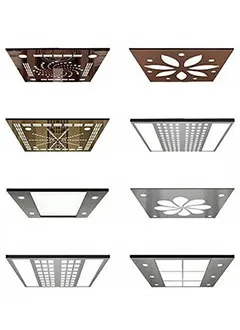
JDRK doesn’t publish a price for the Traction Type Villa Elevator — every configuration routes to a quote request. What moves the quote for this product specifically: shaft dimensions relative to the minimum footprint, cabin finish choice (panoramic glass vs. minimalist vs. other variants), and whether the installation is new construction or a retrofit into an existing shaft. Comparing that against a geared system’s total cost also means factoring in the gearbox’s ongoing lubrication and servicing costs over the elevator’s service life, not just the upfront unit price.
FAQ
Q: Is a gearless elevator quieter than a geared one?
A: Removing the gear mesh removes one mechanical noise source, and JDRK’s belt-driven design adds a second: no steel-wire-rope-over-sheave friction noise either. JDRK doesn’t publish a decibel figure for the unit, though, so treat “quieter” as a mechanical expectation rather than a stated spec.
Q: Does JDRK offer a geared option for lower upfront cost?
A: No — JDRK’s Traction Type Villa Elevator is built around the permanent-magnet synchronous motor, which is a gearless configuration. If a geared system is specifically required, that’s outside JDRK’s current traction product line.
Q: How does the hydraulic elevator compare to either traction type?
A: Differently enough that it’s a separate comparison — the hydraulic line has no traction motor at all; it’s pressure-driven on ascent and gravity-driven on descent. Worth reading alongside this one if you’re deciding between hydraulic and traction rather than between geared and gearless specifically.
Q: Does the machine-room-less design mean zero maintenance?
A: No — it removes the gearbox lubrication task specifically, but the drive components (motor, belt, controller) still need standard servicing. Machine-room-less changes where the components live, not whether they need upkeep.

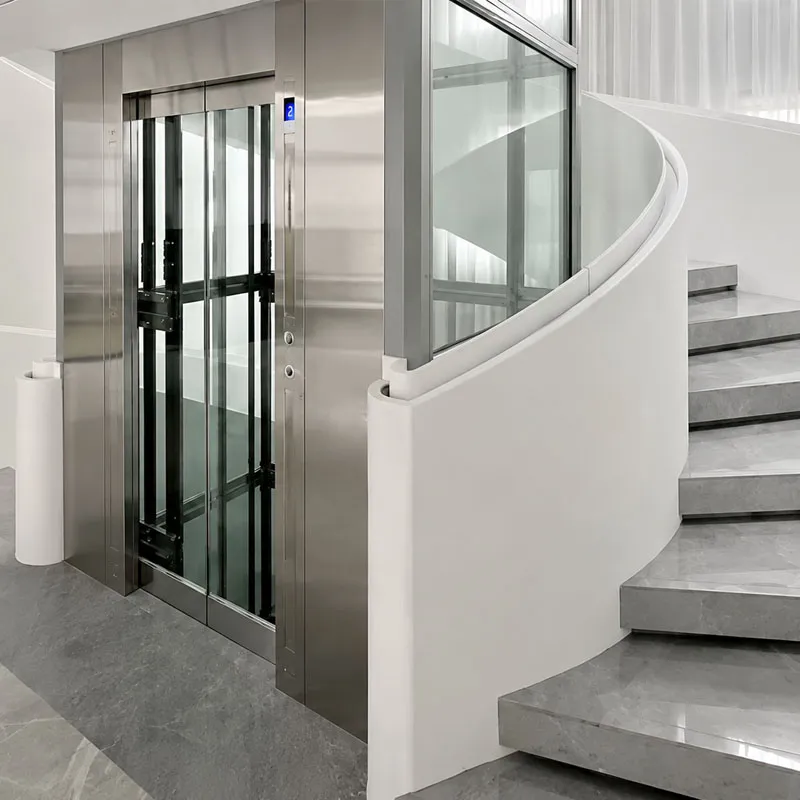
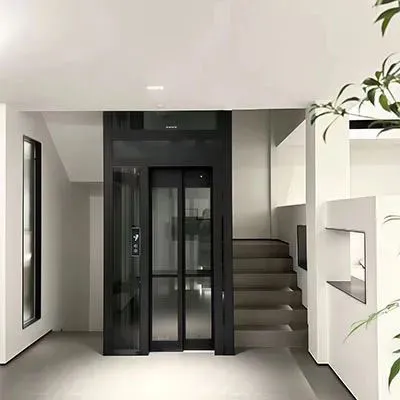
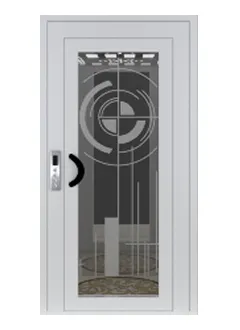
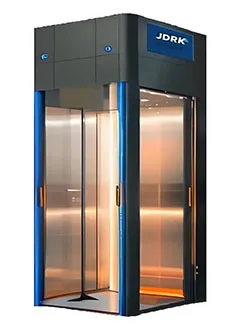
 تخصيص الطلبمصعد فيلا من نوع الجرمصعد الجر المنزلي: لا توجد غرفة ماكينة، يوفر التكاليف. يستخدم أسلوب الثقل الموازن/جسر العملاق، يناسب أنواع الأبواب المنزلية. محرك VVVVF لقيادة سلسة
 Arabic
 English
 French
 German
 Russian
 Spanish
 Portuguese
 Dutch
 Czech
 Japanese
 Korean