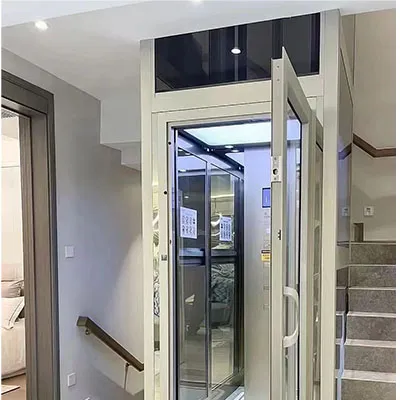
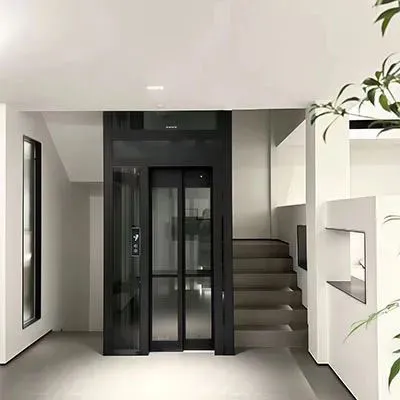
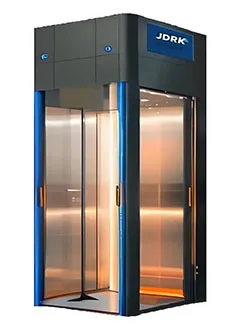
A hydraulic-driven residential elevator for villa uses high-end cylinders, pumps, and control valves. Its high-precision proportional valve would have smooth stable stepless speed regulation
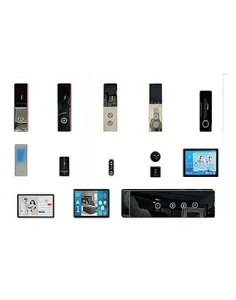
Elevator Button Panel: The Ultimate Guide to Push Buttons, Control Panels, and User Experience
Choosing an elevator button panel seems simple—until riders can’t find the push button, Braille is missing, or the emergency stop fails a test. Poor panels hurt safety, accessibility, and brand image. The fix: a well-designed elevator control panel built with durable materials, clear labeling, and compliant features.
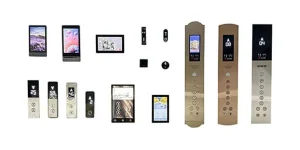
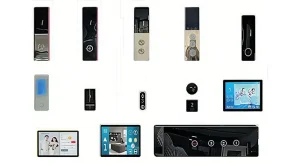
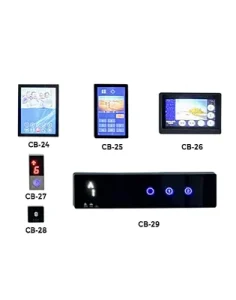
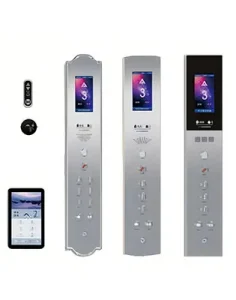
An elevator button panel is the user interface of an elevator—the collection of push button controls riders press to call a car, select floor numbers, open/close elevator doors, and trigger emergency button functions. Modern panels use stainless steel, Braille, tactile feedback, indicator lights, and dustproof construction for safe, reliable operation in commercial and residential settings.
Accessibility and Braille: How Do Panels Serve All Riders?
Inclusive design is non-negotiable. Panels must support the visually impaired with Braille and raised numerals, and meet standards like EN 81-70 (accessibility requirements for passenger elevator design). Buttons should be typically labeled with large, high-contrast floor numbers, plus audible signals to confirm when a button is pressed.
We standardize grid layout (or arranged in a circular pattern where design demands) so buttons are organized logically. That consistent user-friendly pattern reduces error, speeds press the button actions, and improves evacuation outcomes during elevator emergency scenarios.
Stainless Steel Elevator Panels vs. Alternative Finishes
A stainless steel elevator panel remains the global default: it’s durable, corrosion-resistant, easy to sanitize, and looks premium. Hairline or mirror finishes pair with minimalist icons to elevate the elevator car interior. For boutique projects, we also build aluminum, glass, or coated plates—but durable materials like 304/316 stainless still win in high-traffic environments.
Dustproof gasketing and sealed push button switch modules protect against humidity and cleaning chemicals. For seaside villas and outdoor landings, we specify marine-grade stainless and weather-protected housings. Goal: fewer callouts, longer life, lower total cost.
Safety, Alarms, and Emergency Buttons: What Must Every Panel Include?
Emergency button clarity is life-critical. Every elevator button panel we deliver includes an alarm button and an emergency stop/intercom solution as required by local codes. Buttons like exit button (door open), door close, push to exit, and alarm use indicator lights and haptics (haptic feedback optional) to confirm input.
Good design reduces panic: buttons are typically grouped by purpose (movement, doors, emergency). Buttons offer consistent travel, force, and lighting so riders quickly learn the panel—boosting user experience for visitors and residents alike.
Commercial and Residential: Do Villa Elevators Need Different Panels?
Yes. Residential elevators in villas prioritize clean aesthetics, compact elevator components, and intuitive operation. Panels often feature touchless call options, slim plates, and elegant button cover choices that match the cabin décor. For commercial and residential towers, we spec vandal-resistant buttons, higher IP ratings, and anti-tamper fixing.
As a factory supplier, we create collection of elevator panels—from minimalist villa sets to robust lobby posts. Our OEM service covers non-standard interface pinouts, floor numbers logic, and custom engraving for your reliable elevator lineup.
Materials and IP Ratings: How to Choose for Dust, Moisture, and Vandalism
Panels face cleaning agents, hand oils, and daily abuse. That’s why durable materials and dustproof designs matter. For coastal or spa projects, consider sealed modules and conformal coatings. In public stations, use anti-vandal, anti-pry hardware and thick faceplates.
Recommended checks
Confirm IP rating for your climate and lobby airflow
Specify raised numerals + Braille for accessibility
Ensure buttons are placed at code-compliant heights (adults, children, wheelchair users)
Validate alarm button and emergency stop labeling per jurisdiction
Touch, Tactility, and User Experience: What Makes Panels Feel Premium?
A premium panel feels “right” when you press a button: solid travel, a crisp click, and instant indicator feedback. We tune actuation force and tactile response for speed and comfort. In hospitality or luxury villas, the interface can be touch-sensitive with proximity wake and soft dimming.
Even in high-end builds, we keep redundancy: if a touchless sensor fails, a physical push button remains. Great user experience blends beauty and resilience without confusing riders.
FAQs
How do I pick the right elevator button panel for my project? Match your building type, code rules, and rider mix. Choose stainless steel for durability, add Braille and audible signals for accessibility, and confirm emergency button/intercom requirements with your AHJ.
Can I customize icons, fonts, or languages on the panel? Absolutely. As an OEM factory, we offer custom engraving, multi-language legends, and interface options to fit your specific elevator and brand standards.
What’s the difference between car operating panel and hall call station? The car panel sits inside the elevator car for floor selection; the hall station sits outside to place an elevator call. Both must be intuitive and code-compliant.
How long do button modules last? With quality switches and correct wiring, modules routinely survive millions of cycles. Keep spareelevator parts (lenses, switches) for quick swaps.

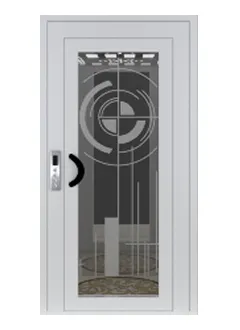
 Personalize OrderTraction Type Villa ElevatorTraction home elevator: No machine room, saves costs. Uses counterweight/gantry style, fits home door types. VVVF drive for smooth ride
 English
 French
 German
 Russian
 Spanish
 Portuguese
 Dutch
 Arabic
 Czech
 Japanese
 Korean